
Every parent wants their children to feel equally loved. Yet even in the most caring families, a child may sometimes feel like they come second to a sibling. This can happen for many reasons—a younger child may need more attention, an older sibling may have demanding school activities, or one child may require extra support due to health or developmental needs. The important thing to remember is that children don’t measure love by how much their parents care—they measure it by how connected and valued they feel in everyday moments.
When Kids Feel Overlooked: Simple Ways to Help Every Child Feel Truly Prioritized
Why Children Feel Like They’re Not a Priority
Children often compare themselves with their siblings. They notice who gets more attention, who receives praise, who has parents cheering from the sidelines, or who gets extra time at home. Even when parents are doing their best, these comparisons can make a child feel invisible.
Some common reasons include:
- A sibling has more extracurricular activities.
- A younger child naturally requires more hands-on care.
- One child is going through academic or behavioral challenges.
- Busy work schedules leave little one-on-one family time.
- Parents unintentionally celebrate one child’s achievements more often.
These feelings don’t mean parents are failing—they simply highlight a child’s need for connection.
Signs Your Child May Feel Overlooked
Children don’t always say, “I don’t feel important.” Instead, they may:
- Become unusually quiet or withdrawn.
- Seek attention through negative behavior.
- Frequently compare themselves to siblings.
- Say things like, “You love them more than me.”
- Lose confidence or stop sharing their feelings.
- Become extra clingy or emotionally sensitive.
Recognizing these signs early helps parents respond before resentment grows.
Ways to Help Every Child Feel Prioritized
1. Spend One-on-One Time Together
Children don’t need expensive outings—they need your undivided attention.
Even 15–20 minutes a week where your phone is away and your focus is completely on them can strengthen your relationship.
Let them choose the activity:
- Read together.
- Play a board game.
- Take a walk.
- Visit their favorite park.
- Build something together.
The activity matters far less than your presence.
2. Celebrate Their Individual Strengths
Every child is unique.
Instead of comparing siblings, celebrate each child’s personality, talents, and interests. One may love sports while another enjoys drawing or building with blocks.
When children feel appreciated for who they are—not compared to someone else—they develop stronger self-confidence.
3. Listen Without Trying to Fix Everything
If your child says,
“You always spend more time with my brother,”
avoid immediately defending yourself.
Instead try:
“I’m really glad you told me how you’re feeling. I can see why it feels that way, and I want to make sure you know you’re important to me.”
Feeling heard often matters more than hearing the perfect answer.
4. Create Small Daily Rituals
Children remember routines that belong just to them.
Examples include:
- A bedtime chat.
- Saturday morning breakfast together.
- Reading one chapter every night.
- Weekly ice cream dates.
- A special handshake before school.
These rituals create emotional security that lasts for years.
5. Let Them Help Make Decisions
Children feel valued when their opinions matter.
Ask questions like:
- Which game should we play tonight?
- What should we cook this weekend?
- Where should we go this Saturday?
Giving children age-appropriate choices shows that their voice counts.
6. Create Opportunities for Joyful Family Play
Shared play is one of the easiest ways to reconnect.
Instead of focusing only on schedules, homework, and responsibilities, create moments where everyone laughs together.
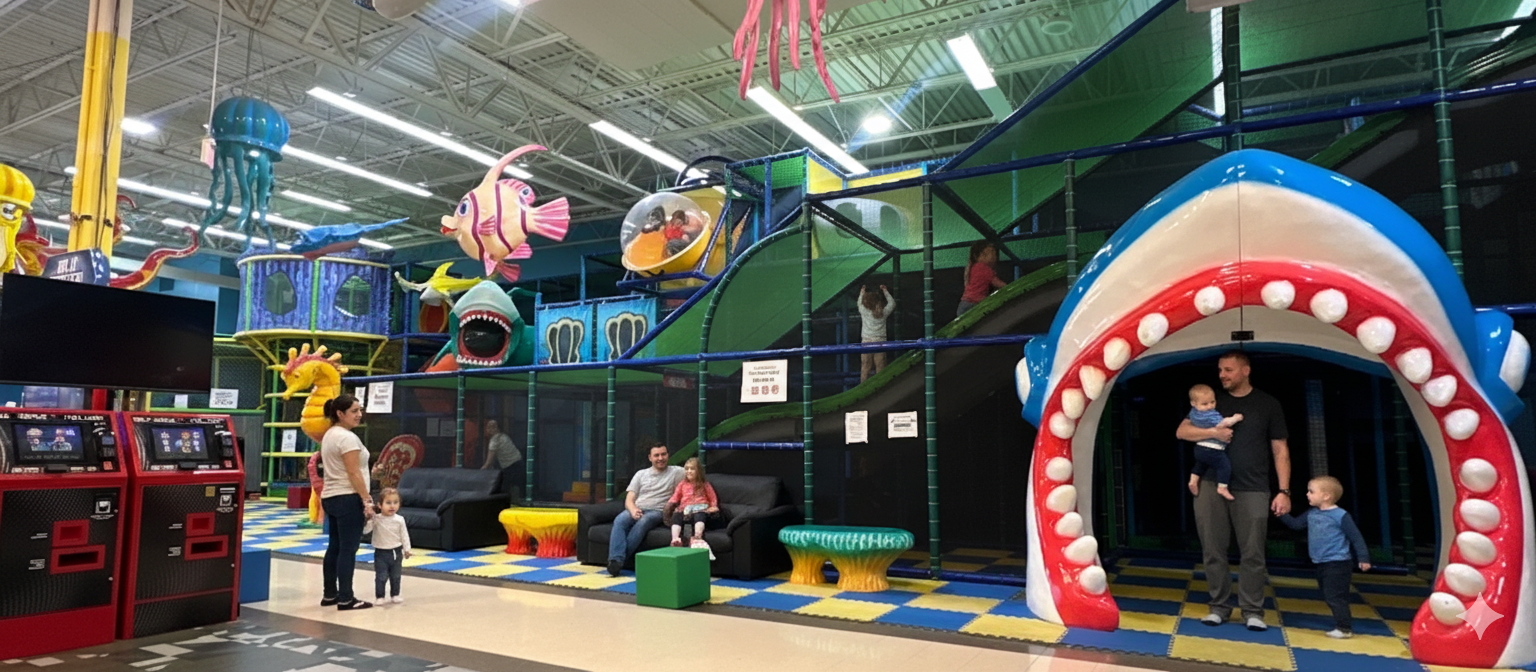
Indoor play centers like Kids Wonderland provide an opportunity for families to step away from daily routines and simply enjoy being together. While children climb, slide, explore, and use their imagination, parents can join in the fun, cheer them on, or simply spend uninterrupted quality time watching them build confidence through play.
For many families, these shared experiences become some of the memories children treasure most—not because of the activity itself, but because they felt seen, supported, and included.
Remember: Equal Isn’t Always Identical
Children don’t need identical amounts of time.
They need reassurance that they matter.
Sometimes one child genuinely needs more attention for a season, but parents can still remind every child:
- I see you.
- I enjoy spending time with you.
- You are important to this family.
- You are loved exactly as you are.
Those simple messages build lasting emotional security.
Final Thoughts
No family is perfect, and every parent faces seasons where balancing everyone’s needs feels impossible. What children remember most isn’t whether every moment was perfectly equal—they remember how loved, heard, and valued they felt.
Making space for one-on-one conversations, celebrating each child’s individuality, and creating joyful family experiences can go a long way toward helping children feel like a priority.
Whether it’s reading together at home, sharing a weekly tradition, or enjoying an afternoon of active play at Kids Wonderland, the moments spent connecting with your child send a powerful message:
“You matter. You are important. And spending time with you is one of my favorite things to do.”
Key Takeaways
- Every child wants to feel seen, valued, and important—even when parents love all their children equally.
- Feeling overlooked often comes from differences in attention, not differences in love.
- Regular one-on-one time, even just 15–20 minutes a week, can strengthen your child’s sense of belonging.
- Celebrate each child’s unique strengths instead of comparing siblings.
- Listening without judgment helps children feel understood and emotionally secure.
- Small family traditions and shared play create lasting memories and stronger relationships.
- Active play experiences at places like Kids Wonderland can provide meaningful opportunities for families to reconnect, laugh, and spend quality time together.
Frequently Asked Questions (FAQs)
Why does my child think I love their sibling more?
Children often judge love by the amount of attention they receive rather than by how deeply they are loved. If one sibling requires extra care because of age, school, or other needs, another child may mistakenly interpret that as favoritism. Open conversations and dedicated one-on-one time can help reassure them.
How can I make each child feel equally important?
Instead of trying to divide your time equally, focus on giving each child meaningful attention that matches their individual needs. Simple routines, listening without distractions, and celebrating their accomplishments can help every child feel valued.
What are signs that my child feels left out?
Your child may become unusually quiet, seek attention through challenging behavior, compare themselves to siblings, say things like “You love them more,” or become more emotional than usual. These behaviors often signal a need for connection rather than discipline.
Can quality time really make a difference?
Yes. Research consistently shows that even short periods of focused, distraction-free time with a parent help strengthen a child’s emotional well-being, confidence, and sense of security.
How does active play help strengthen family relationships?
Active play encourages laughter, teamwork, communication, and shared experiences. Whether you’re playing together at home or visiting a family-friendly destination like Kids Wonderland, these moments help children feel supported, noticed, and connected with the people they love most.
Is sibling jealousy normal?
Absolutely. Sibling jealousy is a common part of growing up. What matters most is how parents respond. Acknowledging feelings, avoiding comparisons, and helping each child recognize their unique strengths can reduce jealousy over time.
Conclusion
Every child deserves to feel like they are a priority—not because parents must divide their attention perfectly, but because every child needs moments that remind them they are deeply loved and appreciated. The little things—a heartfelt conversation, a bedtime story, a special outing, or simply being fully present—often leave the biggest impression.
Creating opportunities for connection through everyday routines and shared experiences can strengthen family relationships and build lasting confidence in children. Whether it’s enjoying a favorite activity at home or spending an afternoon making memories at Kids Wonderland, investing time together sends a message that every child longs to hear:
“You are loved, you are important, and you will always have a special place in our family.”
The way we communicate with others and with ourselves ultimately determines the quality of our lives
~ Anthony Robbins
~ Anthony Robbins
Explore more family fun at Kids Wonderland McAllen.