
A child’s third birthday represents more than another year of growth. For many children, age three marks a period when birthdays begin shifting from an event organized primarily by adults to an experience the child can increasingly recognize, anticipate, and participate in. Three-year-olds are developing stronger language skills, clearer personal preferences, and a growing understanding of themselves as individuals. While concepts such as calendars, months, and the passage of a full year remain abstract, familiar birthday traditions can begin to carry meaning. For families planning a 3-year-old birthday party in McAllen, Texas, understanding this developmental stage can provide a useful perspective. The significance of the celebration does not necessarily come from its size or complexity. It comes from a child’s growing ability to recognize that the occasion is connected specifically to them.
The Third Birthday Milestone: How Children Begin to Understand Their Special Day
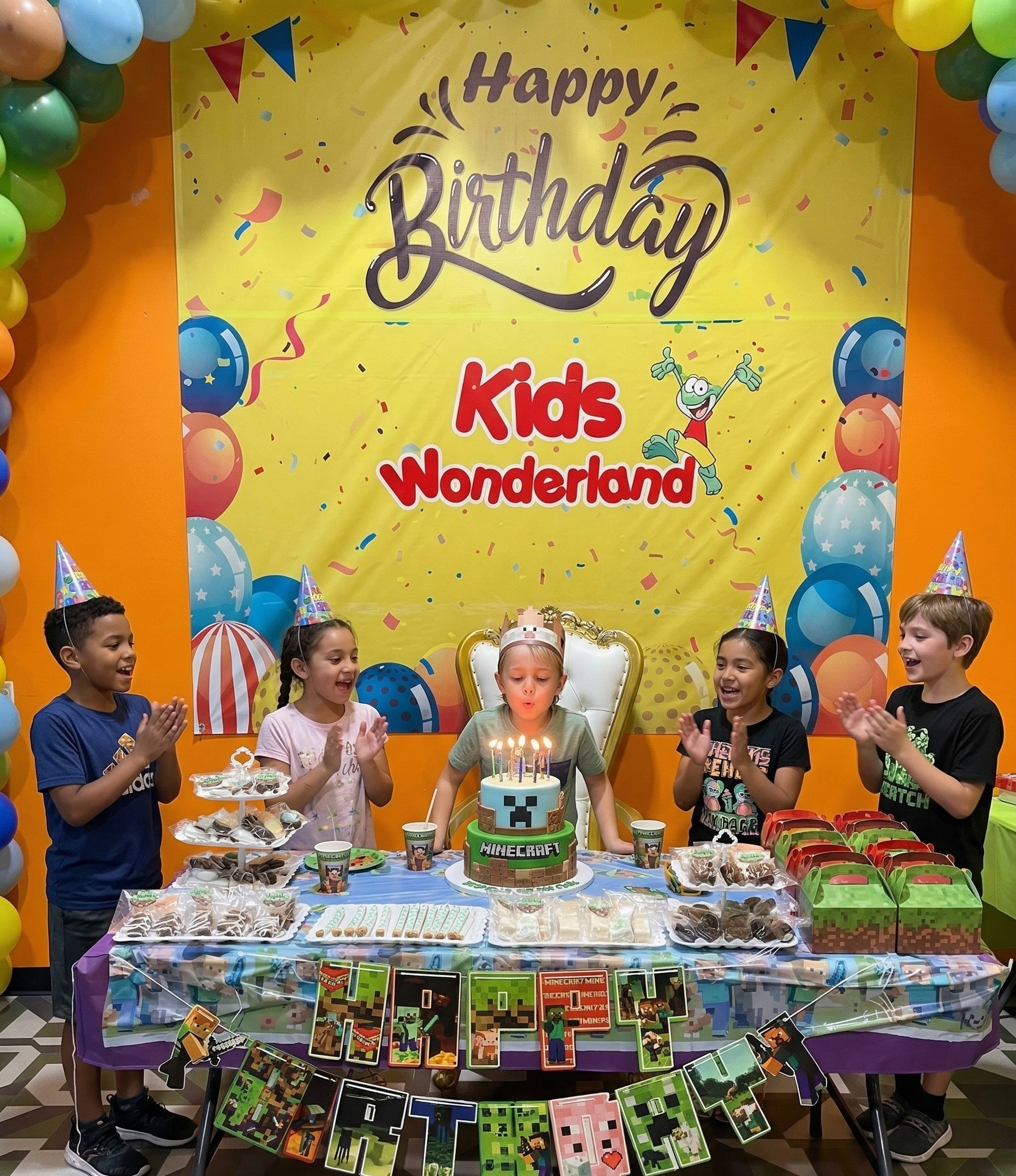
Why the Third Birthday Is a Meaningful Transition
First and second birthdays are important family milestones, but much of their significance is understood by parents and caregivers. By age three, children can become more active participants in the experience.
A three-year-old may know their age, recognize their name in a birthday song, anticipate an upcoming celebration, and understand that family and friends have gathered for a special reason. They may also proudly communicate that they are turning three.
This does not mean a preschooler understands aging in the same way an adult does. Instead, children begin building their understanding through repeated experiences and familiar associations.
Birthday traditions become part of that learning process.
As children become more aware of birthdays, familiar birthday traditions can also help them recognize what makes the celebration different from an ordinary day.
Understanding Age Comes Before Understanding Time
Age three is an interesting developmental point because a child may confidently know how old they are while having little understanding of how long a year actually lasts.
Calendar concepts remain difficult because they require abstract thinking. Phrases such as “next month” or “in two weeks” may have limited meaning to a preschooler, even when the child understands that a birthday is approaching.
Parents can make the concept more concrete by connecting it to things children can see and count. Holding up three fingers, recognizing the number three, or using a short visual countdown can help translate an abstract milestone into something understandable.
These simple experiences also introduce early concepts of sequence and time without requiring formal instruction.
The Emerging Importance of Personal Choice
Three-year-olds are increasingly capable of expressing specific preferences. Favorite colors, characters, foods, clothing, stories, and activities can become surprisingly important.
A third birthday provides an opportunity to acknowledge those preferences.
The objective is not to transfer party-planning responsibility to a preschooler. Instead, parents can offer a small number of appropriate choices, allowing the child to participate in decisions without becoming overwhelmed.
Choosing between two themes or selecting a favorite color provides meaningful involvement while adults retain responsibility for the larger celebration.
This approach recognizes an important developmental change: the birthday child is becoming capable of contributing to an experience created for them.
Why Birthday Expectations Should Remain Flexible
Greater awareness does not necessarily mean greater emotional predictability.
A child who enthusiastically discusses an upcoming birthday may respond differently once the celebration begins. Group attention, unfamiliar situations, excitement, noise, and changes in routine can create a considerable amount of stimulation.
Some children enjoy being the center of attention. Others may temporarily become quiet, seek reassurance from a parent, or lose interest in a planned moment.
Parents can benefit from separating the success of the celebration from a child’s response to any individual activity. A preschooler’s reaction at one moment does not necessarily represent how they feel about the overall experience.
Flexibility allows the celebration to accommodate the child rather than requiring the child to accommodate a predetermined version of the celebration.
Birthdays Help Introduce Social Understanding
Third birthdays can also contribute to a child’s developing understanding of other people.
A young child may initially associate birthday traditions primarily with their own celebration. When another child’s birthday occurs, they begin learning that birthdays belong to individuals and that everyone has their own special date.
These experiences gradually introduce concepts such as taking turns receiving attention, celebrating another person, and understanding that traditions can be shared while still belonging to different individuals.
There is no need to formally teach every concept at once. Repeated family and social experiences help children build that understanding naturally over time.
Creating a Record of Who the Child Is at Three
The third birthday also provides parents with an opportunity to document a stage of childhood that changes quickly.
Traditional photographs capture the event, but families can preserve something equally valuable by documenting the child’s personality. A brief annual birthday interview can record favorite foods, activities, characters, songs, friends, or ambitions.
Repeating a similar set of questions each year creates a simple record of development. Over time, families can see changes not only in the child’s answers but also in vocabulary, confidence, interests, and self-expression.
This transforms birthday documentation from a record of what the celebration looked like into a record of who the child was at that age.
Helping Children Process the Celebration
Young children may understand that a birthday is approaching without immediately understanding when it has ended.
After the celebration, parents can reinforce the experience through simple conversation. Reviewing photographs and discussing what happened can help a child connect individual moments into a more coherent story.
For example, parents can explain that the birthday occurred yesterday, the child turned three, and they will now remain three until their next birthday.
This type of reflection supports an emerging understanding of sequence: anticipation, celebration, and what comes afterward.
Planning a 3-Year-Old Birthday in McAllen
For parents searching for 3-year-old birthday ideas in McAllen, recognizing the developmental significance of the milestone can simplify decision-making.
A successful third birthday does not have to depend on an extensive itinerary or elaborate production. At this age, the celebration can focus on giving the child an enjoyable experience while allowing them to recognize that the occasion is uniquely theirs.
For families who prefer an indoor play environment, Kids Wonderland McAllen provides a setting where a third birthday celebration can be paired with an activity young children already understand intuitively: play.
The venue provides the environment, while families provide the traditions and personal details that give the milestone its meaning.
Parents who are ready to plan the celebration can also explore options for a birthday party in McAllen based on their child’s needs and party size.
Key Takeaways
- Age three can mark a transition from birthdays primarily experienced through parents to celebrations children increasingly recognize for themselves.
- Three-year-olds may understand their age before they understand calendars or the length of a year.
- Concrete tools such as counting, visual countdowns, and simple explanations can make birthday concepts easier to understand.
- Limited choices allow children to participate in their celebration while keeping decision-making manageable.
- Preschoolers may respond unpredictably to attention and excitement, making flexibility important.
- Birthdays can gradually help children understand that other people also have individual celebrations.
- Annual photographs, interviews, and family traditions can document a child’s development beyond the event itself.
Parents preparing for the celebration can also review our birthday party guest guide for practical information before the party day arrives.
Frequently Asked Questions
Does a 3-year-old understand their birthday?
Many three-year-olds can recognize that a birthday is a special event associated with them. Their understanding of dates, years, and the passage of time is still developing, so they are more likely to understand the experience through familiar traditions and concrete examples.
Does a 3-year-old understand what it means to turn three?
A child may understand that they are now three years old without understanding exactly what a year represents. Numbers, counting, and familiar birthday experiences can make the concept easier to recognize.
How can parents explain an upcoming birthday to a 3-year-old?
Simple and concrete explanations generally work better than distant calendar dates. A short countdown using days, sleeps, stickers, or another visible method can help a preschooler understand that the birthday is approaching.
Should a 3-year-old help make birthday decisions?
Children this age can participate through limited choices. Selecting between two themes, colors, or other simple options can provide involvement without creating unnecessary decision-making pressure.
Why might a 3-year-old become overwhelmed during their birthday?
Birthdays can combine attention, excitement, unfamiliar situations, social interaction, and changes in routine. Children process those experiences differently, and some may temporarily seek quiet or reassurance even when they are enjoying the overall celebration.
What should parents remember most about a third birthday?
The third birthday does not need to be measured by the number of activities or complexity of the event. Its significance can come from the child’s increasing ability to recognize the celebration, express preferences, participate in traditions, and begin understanding what it means to have a birthday of their own.
Conclusion
The third birthday occupies an important position in early childhood. A child may still have a limited understanding of dates and time, yet they are becoming increasingly capable of recognizing that a birthday represents a personal milestone.
They can participate in choices, identify their new age, recognize familiar traditions, and begin connecting the celebration with their own developing sense of identity.
For families considering a 3-year-old birthday party in McAllen, Texas, this perspective can shift the emphasis away from creating the most elaborate event and toward creating an experience appropriate for the child’s stage of development.
At three, the birthday is no longer simply something happening around the child. It is increasingly becoming an experience the child can recognize as their own.
As children continue growing, their interests, friendships, and birthday expectations change. Parents can also explore how birthday celebrations change as children turn five to understand why the fifth birthday is another meaningful childhood milestone.