
By Venkat Tatituri, Kids Wonderland In today's increasingly digital age, finding a balance between screen-based learning and active play is crucial for children's development. Parents often seek ways to combine digital learning apps with engaging physical activities to foster their children's cognitive, emotional, and social growth. This guide explores the essential roles that both digital and active play contribute to a child's development and offers strategies for parents to integrate these components effectively. You will learn about the benefits of active indoor play, ways to responsibly select digital learning apps, best practices for managing screen time, and practical ideas for daily routines that promote a harmonious blend of both play styles—especially highlighting the Kids Wonderland Indoor Play area as an excellent venue for active play. As we delve into the crucial aspects of hybrid play, understanding the core principles of each component will empower parents to create a well-rounded developmental environment. From enhancing motor skills to cognitive engagement, the right balance can nurture various aspects of child growth. This article highlights the most effective indoor activities for sensory engagement, outlines the best features to seek in educational apps, and suggests daily routines for managing screen time alongside active play, including opportunities available at the Kids Wonderland Indoor Play area.
The Parent’s Guide to Hybrid Play: Balancing Digital Learning Apps with Active Indoor Play for Healthy Child Development
Key Takeaways
- Hybrid play balances digital learning apps with active indoor play to support holistic child development.
- Active indoor play enhances motor skills, cognitive growth, emotional regulation, and social interaction in children.
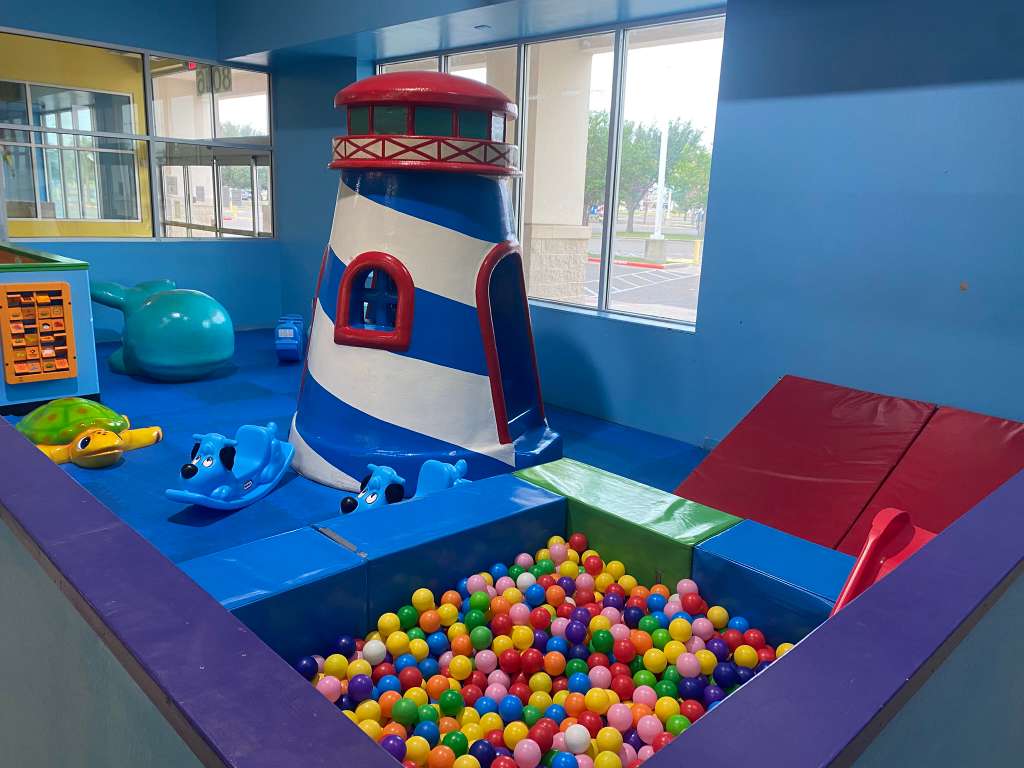
- Kids Wonderland Indoor Play area offers a safe, engaging, and well-equipped environment promoting active indoor play.
- Parents should select educational apps with interactive features, safety measures, and customizable learning paths.
- Effective screen time management includes setting limits, creating tech-free zones, and blending digital with physical activities.
- Structured daily routines combining physical play and digital learning foster healthy habits and developmental balance.
- Indoor sensory activities like obstacle courses and art projects stimulate creativity and cognitive skills.
- Games that combine physical movement and cognitive challenges promote both exercise and mental engagement.
- Parental involvement and community activities enhance the benefits of hybrid play models, including visits to places like Kids Wonderland Indoor Play area.
- Following screen time guidelines and monitoring app usage ensures safe and purposeful digital engagement.
What Are the Benefits of Active Indoor Play for Children’s Cognitive and Physical Growth?
Active indoor play is vital for children’s overall development, serving not only as a fun pastime but also as a means to enhance cognitive and physical growth. Engaging in active play helps improve gross motor skills, promotes cognitive development, and fosters social interaction among peers. Visiting places like the Kids Wonderland Indoor Play area provides structured environments designed to maximize these benefits, offering diverse physical challenges that stimulate various aspects of a child’s brain, allowing for better problem-solving capabilities and creativity. The dynamic nature of play encourages exploration, which is fundamental for learning.
Furthermore, children who engage in regular physical activity, even indoors, often display better emotional regulation and social skills. By incorporating movement and interaction, active play supports healthy brain development, leading to improved focus and resilience in various settings, including academic ones. Understanding these crucial benefits provides insights into why parents should prioritize active play in their children’s daily lives and consider visiting venues like Kids Wonderland Indoor Play area to enhance these outcomes.
How Does Active Play Support Motor Skills and Overall Development?
Active play is essential for developing motor skills, as it involves various physical movements that help children refine their coordination, balance, and strength. Through activities such as running, jumping, and climbing, children enhance their muscle control and overall physical fitness. The Kids Wonderland Indoor Play area offers many such opportunities in a safe and stimulating environment. This physical engagement contributes significantly to their capacity to perform daily tasks and participate in sports as they grow.
In addition to improving motor skills, active play also plays a crucial role in cognitive and emotional development. When children participate in games that require problem-solving or teamwork, they enhance their critical thinking and social skills. These experiences foster emotional growth as they learn to navigate relationships, manage frustrations, and celebrate achievements. The interplay of cognitive and physical skills gained through active play lays a solid foundation for lifelong learning and adaptation.
What Are Effective Indoor Play Activities That Promote Sensory Engagement?
Indoor play activities that promote sensory engagement are essential for a child’s developmental journey. By stimulating the senses, these activities foster exploration and creativity while improving cognitive skills. Some effective indoor play ideas include:
- Sensory Bins: Fill bins with materials like rice, beans, or sand, allowing children to explore different textures while hiding small toys for them to discover.
- Obstacle Courses: Set up a fun indoor obstacle course using cushions, chairs, and blankets to encourage physical activity and coordination skills, similar to the setups found at the Kids Wonderland Indoor Play area.
- Art Projects: Encourage creative expression through painting, sculpture, or collage, which also promotes fine motor skills and decision-making.
These activities are designed to engage children’s senses actively, stimulating their curiosity and encouraging further exploration. By varying the types of play they experience indoors, parents can enhance their children’s learning experiences in diversity and complexity.
How Can Parents Responsibly Select and Use Digital Learning Apps to Enhance Hybrid Play?
Selecting suitable digital learning apps plays a critical role in supporting a child’s development through hybrid play. Parents should look for apps that balance educational value, user-friendly interfaces, and age-appropriate content. Here are some key criteria to consider when choosing digital learning apps:
- Educational Value: Ensure the app incorporates educational content aligned with your child’s developmental milestones.
- Safety Features: Investigate the app’s privacy policies and ensure it is free from ads or inappropriate content to protect children’s online experiences.
- User Reviews: Seek feedback from other parents or educators to comprehend the app’s effectiveness and engagement levels before downloading.
By choosing apps that fulfill these important criteria, parents can confidently support their children’s learning journeys while integrating screen time into their daily routines.
Which Features Should Parents Look for in Educational Apps for Balanced Learning?
When assessing educational apps, several key features can enhance the learning experience and ensure a balanced approach to digital education. Parents should prioritize apps that offer:
- Interactive Elements: Features that allow children to engage actively with the content, such as quizzes and puzzles, are more beneficial than passive consumption.
- Customizable Learning Paths: Apps that adapt to a child’s skill level can provide a tailored educational experience, keeping them motivated and challenged.
- Progress Tracking: Tools that help parents monitor their child’s progress can ensure that learning is aligned with their developmental goals.
Choosing apps equipped with these features can lead to more effective and enjoyable learning experiences for children while maintaining an appropriate balance with physical play.
What Are Best Practices for Managing Screen Time While Encouraging Active Play?
Managing screen time effectively involves establishing healthy habits that allow for both digital engagement and active play. Parents can follow these best practices to ensure a balanced approach:
- Set Time Limits: Establish clear boundaries on daily screen time to promote moderation and encourage participation in active play, such as visits to Kids Wonderland Indoor Play area.
- Designate Tech-Free Zones: Create spaces where digital devices are not allowed, such as during meals or family activities, to foster direct interaction.
- Blend Activities: Encourage activities that combine both types of play, such as shooting videos of physical games or creating digital art from physical crafts.
These strategies equip parents to cultivate a healthy relationship with technology that prioritizes physical engagement and cognitive development.
What Strategies Help Balance Screen Time and Physical Activity in Hybrid Play Models?
Balancing screen time and physical activity requires thoughtful strategies that integrate both elements into a child’s daily routine. A few effective approaches include:
- Structured Schedules: Creating a daily schedule that allocates specific times for screen usage alongside designated periods for active play, for example at the Kids Wonderland Indoor Play area, can provide structure and predictability for children.
- Family Participation: Engage in active play as a family, such as playing games or participating in sports, to model healthy behavior while involving children actively.
- Flexible Options: Allow children to choose how they would like to engage with screen time or physical activities, fostering a sense of ownership over their development.
Implementing such strategies empowers families to create a hybrid play model that encourages active participation in both digital and physical realms.
How Can Parents Create Daily Routines Integrating Digital and Active Play?
Establishing daily routines that incorporate both digital and active play can enhance children’s development and encourage healthy habits. A few strategies for parents include:
- Morning Activity: Start the day with physical play, such as stretching or a brief workout, or a fun visit to the Kids Wonderland Indoor Play area, to energize children for the day ahead.
- Tech Time After Homework: Use screen time as a reward for completing homework or chores, promoting accountability and responsible usage.
- Evening Wind Down: Include calm activities in the evening that blend digital learning with relaxation, such as reading e-books or exploring educational documentaries together.
Building these routines helps children develop structure and consistency while allowing both play types to coalesce harmoniously throughout their day.
What Guidelines Exist for Healthy Screen Use Combined with Indoor Play?
To support healthy screen use alongside indoor play, parents can adopt several guidelines that promote effective and balanced engagement. Key guidelines include:
- Follow Recommended Screen Time Recommendations: The American Academy of Pediatrics suggests limiting screen time to one hour per day for children aged 2 to 5 years, ensuring the content is high-quality.
- Monitor App Usage: Regularly check which apps children are using and ensure they align with developmental goals.
- Encourage Social Interaction: Make screen time a shared experience, such as family game nights or educational videos, to reinforce learning through social connectivity.
These guidelines serve as a foundation for fostering a positive balance between screen time and active engagement in physical play, including well-structured playtime like that at Kids Wonderland Indoor Play area.
What Are Practical Indoor Play Ideas That Complement Digital Learning at Home?
Combining indoor play with educational content can create a more engaging learning experience. Here are some practical ideas:
- Interactive Learning Games: Use board games that teach math or vocabulary, fostering academic skills through play.
- Creative Storytelling: Encourage children to narrate stories based on characters from their favorite apps or games, blending imagination with language skills.
- DIY Projects: Create hands-on projects that relate to topics learned through apps, such as building a model related to science concepts.
- Visits to Kids Wonderland Indoor Play area: Incorporate regular visits to Kids Wonderland Indoor Play area to allow children to physically engage with stimulating environments that complement their digital learning experiences.
These activities not only promote learning but also help spark creativity and innovation, further enhancing the hybrid play experience.
Which Creative Indoor Games Promote Physical Activity and Cognitive Engagement?
Promoting physical activity paired with cognitive engagement can be easily achieved through various indoor games. Some examples include:
- Simon Says: A fun game that develops concentration while encouraging physical movement.
- Charades: A classic game that combines creativity and physical play as children act out phrases while others guess.
- Treasure Hunts: Set up scavenger hunts around the house where children must solve clues, promoting problem-solving skills while moving about, similar to activities offered at Kids Wonderland Indoor Play area.
These games offer a blend of exercise and mental challenge, ensuring children remain active while utilizing their cognitive skills.
How Can Parents Use Structured Activities to Maximize Hybrid Play Benefits?
Integrating structured activities into daily routines helps maximize the benefits of hybrid play. Parents can consider the following methods:
- Activity Calendars: Create a calendar that schedules both active play and educational app time, ensuring balance throughout the week.
- Themed Play Days: Dedicate specific days where activities focus on a theme, such as “Science Day,” where experiments blend with relevant educational games.
- Community Engagement: Involve children in local events or classes that promote both physical activity and learning, such as sports camps, library programs, or activities hosted by the Kids Wonderland Indoor Play area.
Structured activities allow children to engage with both digital learning and active play while reinforcing the valuable skills gained through each approach.
Conclusion
Striking the right balance between digital learning apps and active indoor play is foundational for children’s holistic growth. Engaging in both types of play not only nurtures cognitive and physical abilities but also cultivates emotional intelligence and social skills. To effectively support your child’s development, incorporate structured daily routines that integrate both digital and active elements. Consider regular visits to environments like the Kids Wonderland Indoor Play area, which offers excellent opportunities for active play alongside digital learning. Explore our resources for recommended apps and indoor activities that enrich your child’s learning experience.