
The Excitement Behind the Birthday Gift For many children, seeing a collection of wrapped presents is one of the most exciting parts of a birthday. Each package holds a surprise, but it also represents something another person selected specifically for the birthday child. That combination of anticipation and personal attention is part of what makes birthday gifts so memorable. For parents, however, presents create several practical questions. Should children open gifts while guests are watching or wait until they get home? If there are many presents, should everything be opened immediately? And when relatives or friends give cash or gift cards, should those be handed directly to the child? There is no single rule that works for every family. The better approach is to preserve the excitement of receiving gifts while helping children develop appreciation, patience and an understanding of the thought behind them.
The Joy of Birthday Presents: Should Kids Open Everything at Once?
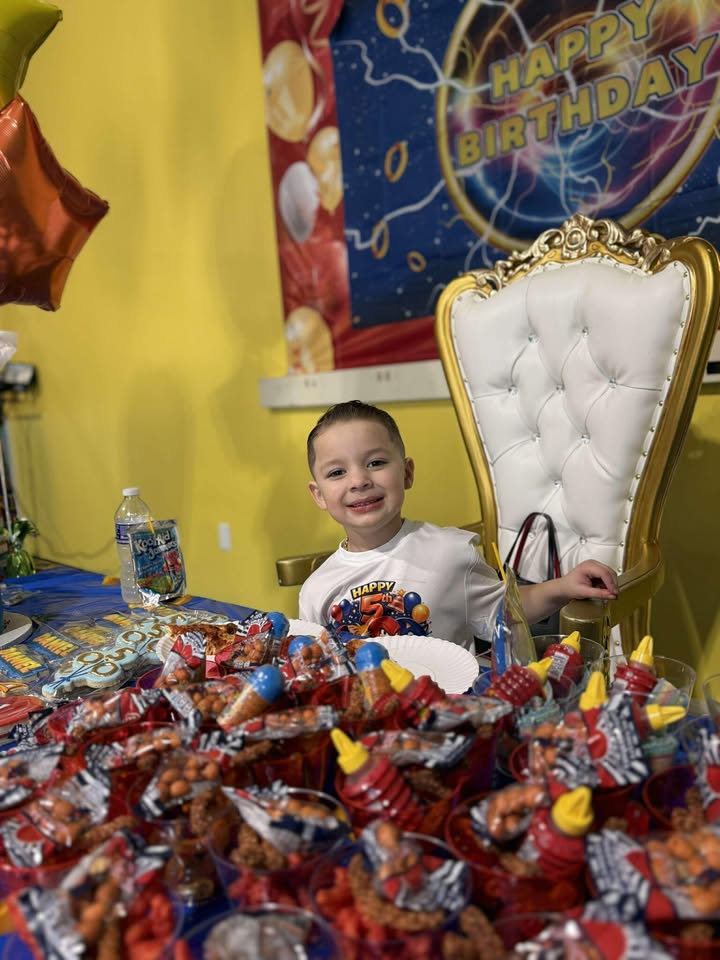
Should Children Open Presents During the Birthday Party?
Opening presents in front of guests has long been part of children’s birthday celebrations. It allows the person who selected the gift to see the child’s reaction and gives the birthday child an opportunity to personally acknowledge the giver.
There can also be disadvantages, particularly at larger children’s parties. Younger guests may find it difficult to sit while another child opens multiple toys, and gifts can unintentionally become comparisons based on size, price or popularity. The birthday child may also feel pressure to produce an enthusiastic reaction to every present, even when receiving something they already own or do not immediately understand.
For activity-based celebrations such as birthdays at Kids Wonderland McAllen, families can reasonably choose to keep the party focused on children spending time together and take the presents home afterward. Waiting does not make a gift less meaningful, and it may provide a calmer environment in which the child can appreciate who gave each present.
Should Kids Open All Their Birthday Presents at Once?
This is where families may want to reconsider the traditional approach. When a child receives only a few gifts, opening everything together can be manageable and enjoyable. When there is a large collection, however, the experience can gradually shift from appreciating each surprise to simply trying to reach the next package.
Consider what happens when a child opens a new building set, art kit or toy they immediately want to explore. If another wrapped present is placed in front of them within seconds, their attention moves away from the first gift before they have had an opportunity to enjoy it.
Parents can instead allow children to open several presents and pause when something genuinely captures their attention. The remaining gifts might be opened later that evening or over the following days. The purpose is not to withhold presents but to give children more time to experience the excitement of each one.
Can Opening Gifts Slowly Make Them More Meaningful?
Children naturally become excited by novelty, which is part of the joy of receiving presents. However, when many new items arrive at once, individual gifts can quickly blend together.
Opening gifts more gradually can change the experience. A child may remember that a particular friend gave the puzzle they worked on that afternoon or that a grandparent sent the craft kit they spent the following morning exploring. This creates a stronger connection between the gift, the experience and the person who selected it.
Families do not need a strict system. The simplest approach may be allowing the child to determine the pace. If they want to stop opening presents because they are fascinated by something they just received, there is little reason to rush them toward the next package.
Birthday Presents Can Also Teach Gratitude
Children do not need to love every present equally, and expecting identical excitement for every gift is unrealistic. They may receive something they already own, clothing when they hoped for a toy, or an item that simply does not match their interests.
What children can gradually learn is the difference between appreciating an object and appreciating the person who gave it. Saying thank you recognizes that someone thought about them, selected something and brought it to their celebration.
Parents can reinforce that connection afterward by helping younger children remember who gave particular presents. A short thank-you message, drawing or personal acknowledgment can make gratitude feel connected to a real person rather than becoming an automatic phrase children are required to say.
What Should Parents Do With Gift Cards?
Gift cards can be surprisingly difficult for younger children to understand. A brightly wrapped toy produces immediate excitement, while a $25 or $50 gift card may look like an ordinary plastic card even though it could ultimately allow the child to choose something they really want.
Parents can show the gift card to the child, explain its value in age-appropriate terms and make sure the child knows who gave it. This preserves the connection between the gift and the giver.
For younger children, there is generally no need to let them carry valuable gift cards around during a busy birthday celebration. Parents can keep the cards secure and involve the child when the family is ready to use them.
What About Cash Given as a Birthday Present?
Cash should be approached similarly. The money was given to the child, so parents can acknowledge that it belongs to them while still helping manage it responsibly.
For younger children, parents may keep birthday money safe rather than handing over an envelope of cash immediately. As children grow older, however, birthday money can become a practical introduction to making financial choices.
A child might decide to spend some money on something they genuinely want and save the remainder toward a larger purchase. This introduces concepts such as saving, waiting and comparing choices without turning a birthday celebration into a formal lesson about finances.
Avoid Turning Gifts Into Comparisons
One of the most valuable lessons surrounding birthday presents has little to do with what is inside the packages. Families and friends have different budgets, traditions and approaches to gift giving, and children eventually need to understand that a larger or more expensive present is not necessarily a more meaningful one.
Public gift opening can sometimes make those differences especially visible. A handmade card, book or small toy selected thoughtfully by a friend should not feel less important because another guest brought something larger.
Parents can help by emphasizing the connection behind each gift rather than its price. Over time, children can learn that the important question is not “Which present was worth the most?” but “Who thought about me and wanted to celebrate my birthday?”
Keeping the Celebration Bigger Than the Gift Pile
There is nothing wrong with children being excited about birthday presents. Anticipating surprises is one of the joys of childhood, and families do not need to minimize that excitement.
At the same time, presents do not have to become the measure of whether a birthday was successful. At a celebration at Kids Wonderland McAllen, for example, a child’s memories may ultimately include laughing with friends, playing together, taking family photographs and experiencing the excitement of being celebrated by people they care about.
Gifts can complement those memories rather than compete with them. When children understand that the present is one expression of someone wanting to celebrate them, receiving gifts can become about more than accumulating new things.
Key Takeaways for Parents
- Opening birthday presents during the party is optional; families can also take them home and open them in a calmer environment.
- Children do not have to open every birthday present at once, particularly when they receive many gifts.
- Allowing children to pause and enjoy a new present can help individual gifts feel more memorable.
- Children can learn to appreciate the thought behind a gift even when the item itself is not their favorite.
- Parents can show children gift cards and cash while keeping them secure until they are ready to be used.
- Birthday money can gradually introduce older children to saving, spending and making thoughtful choices.
- Families can avoid unnecessary comparisons by emphasizing the giver and the thought behind the present rather than its price or size.
Conclusion: Let the Excitement Last
There is something uniquely joyful about watching a child unwrap a birthday present. The surprise, curiosity and immediate excitement are experiences that belong naturally to childhood, and there is no reason to rush through them simply because several more packages are waiting.
For some children, opening everything together will remain part of the fun. For others, opening a few presents at a time may extend the excitement and provide more opportunity to appreciate each gift. Cash and gift cards can similarly become meaningful when children understand who gave them and eventually participate in deciding how they will be used.
Whether a family celebrates at home or gathers friends for a birthday at Kids Wonderland McAllen, presents can remain an exciting part of the occasion without becoming its central purpose. Behind every wrapped package, card or envelope is something children can gradually learn to recognize: someone chose to celebrate them.
Frequently Asked Questions
Should children open birthday presents at the party or at home?
Both approaches can work. Opening gifts at the party allows guests to see the child’s reaction, while opening them at home can provide a calmer environment and reduce comparisons or pressure to react enthusiastically to every present.
Is it okay for kids to open birthday presents over several days?
Yes. When children receive many gifts, families may choose to spread out the experience. This can give children more time to explore individual presents rather than immediately moving from one package to another.
Should parents give birthday gift cards directly to young children?
Parents can show children the gift card, explain who gave it and help them understand what it can be used for. With younger children, parents can then keep the card secure until the family is ready to use it.
Who should keep a child’s birthday money?
The money was given to the child, but parents can keep it secure and help younger children decide how it will eventually be saved or spent. Older children can gradually take greater responsibility for managing their birthday money.
How can parents teach gratitude when children receive birthday presents?
Parents can focus on the person behind the gift rather than requiring exaggerated excitement about every item. Helping children remember who gave each present and encouraging a sincere thank-you can gradually build an understanding that a gift represents someone’s thought and effort.