
Planning a visit to an indoor playground often starts with practical questions about what time to arrive, what children should wear and how long the family should stay. Another question can have a noticeable effect on the experience: Should kids eat before going to an indoor playground, or is it better to wait until after they play? There is no single answer that works for every child. A child who arrives very hungry may have less energy or patience for active play, while a child who has just finished a particularly large meal may not feel comfortable immediately climbing, bouncing and sliding. For most families, the better approach is to consider when the child last ate, how hungry they are, what they are eating and how long the family expects to stay. For families planning a visit to Kids Wonderland McAllen, meal timing does not need to become complicated. Following a child’s normal routine, avoiding the extremes of arriving very hungry or overly full, and allowing natural breaks during longer visits can help make indoor play more comfortable and enjoyable.
Should Kids Eat Before or After Indoor Play? A Parent Guide from Kids Wonderland McAllen
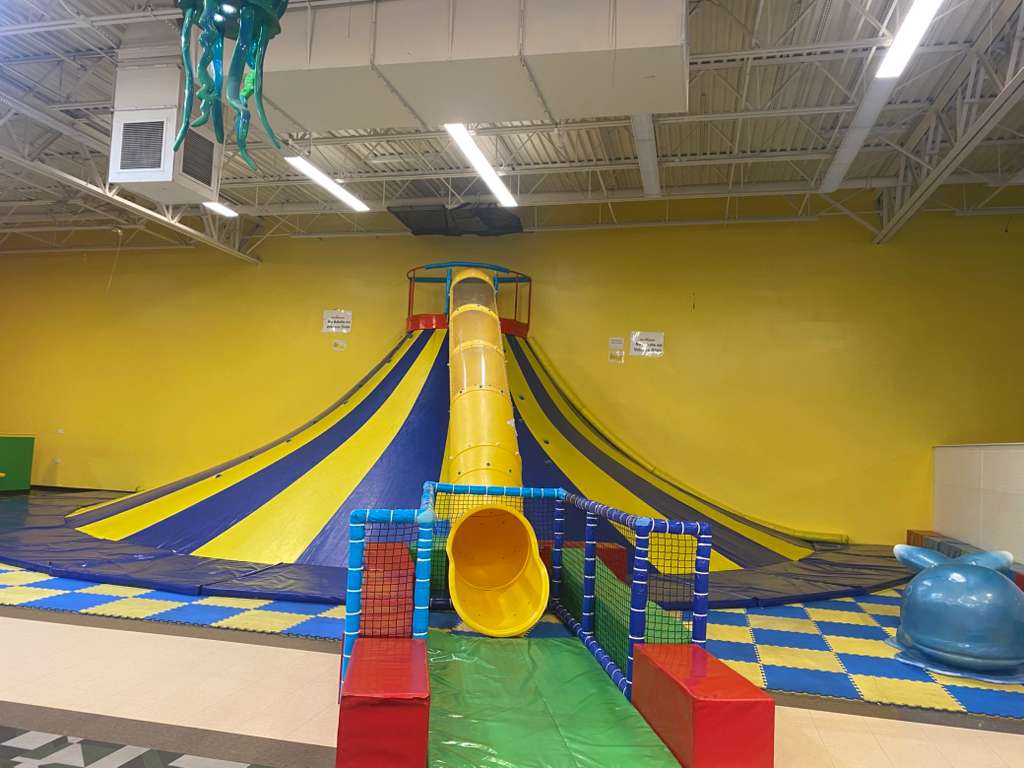
Does It Matter Whether Kids Eat Before or After Indoor Play?
Meal timing can matter, but parents do not need to treat a recreational indoor playground visit like an organized sporting event. The practical goal is simply to help children begin active play feeling comfortable and adequately fueled.
Indoor playgrounds can involve considerable movement. Children may repeatedly climb, bounce, navigate obstacles, explore play structures and use slides, often returning to favorite activities several times. Although children can usually stop whenever they want, an extended indoor play session can still require plenty of energy.
This means the question is less about identifying a perfect meal time and more about avoiding preventable interruptions. A child who is already hungry may need food much sooner than expected, while a child who has just eaten a substantial meal may prefer to begin more slowly.
Should Kids Eat Before Going to an Indoor Playground?
If a child is genuinely hungry before leaving home, eating beforehand is usually a practical choice. There is little advantage to postponing a normal meal simply because the family wants to begin playing immediately.
Children may initially ignore hunger when they enter an exciting environment, but that does not necessarily last. A child who arrived hungry may soon begin asking for food, lose interest in activities or need a break much earlier than the family anticipated.
Eating beforehand does not mean children need an unusually large meal because they are going to be active. A normal meal or age-appropriate food based on the child’s regular routine may be enough. The objective is simply to avoid starting an active family outing with a child who is already uncomfortable from hunger.
What If a Child Just Finished a Large Meal?
The opposite situation deserves consideration too. A particularly large or heavy meal immediately followed by vigorous climbing, bouncing and sliding may feel uncomfortable for some children.
Parents do not need to follow an exact countdown between eating and playing. Instead, consider the size of the meal and how the child feels afterward. A child who has just finished a substantial lunch may naturally want a little time before beginning the most energetic activities.
This is another reason there is no universal “eat before” rule. Eating because a child is hungry and serving a large meal immediately before vigorous activity are different situations. Parents can use the child’s comfort and normal routine as the guide.
When Is Eating After Indoor Play a Better Choice?
Eating afterward can make excellent sense when the indoor playground visit naturally falls between regular meals. A child who ate breakfast recently, for example, may be perfectly comfortable beginning a morning play session and having lunch later.
There can also be a practical advantage. Children who have just arrived at an exciting indoor playground may be eager to explore rather than sit down and eat. If they are not hungry and have already eaten appropriately, there is usually no need to insist on another meal simply because physical activity is coming next.
After spending time playing, children may naturally become ready for a break. In that situation, eating later can fit comfortably into the family’s schedule without forcing either food or play at an inconvenient time.
For Longer Visits, Consider Eating During a Natural Break
Parents do not necessarily have to choose between eating strictly before or strictly after an indoor playground visit. For a longer outing, the most practical answer may be somewhere in the middle.
A family might arrive after breakfast, allow the children to enjoy active play and then take a food break when hunger naturally develops. Depending on the family’s plans and the venue’s current policies, children may then return to playing rather than treating the meal as the automatic end of the outing.
This approach can be particularly useful when an indoor play visit overlaps a normal lunch or snack period. Instead of asking children to ignore hunger until the entire visit is finished, families can build food and rest into the experience.
Watch Your Child’s Energy Instead of Only Watching the Clock
Meal schedules are useful, but children do not all respond to food and activity in the same way. One child may comfortably play for a long period after breakfast, while another may become hungry much sooner. Age, normal eating patterns and the intensity of play can all influence when a break feels necessary.
Parents can watch for changes in energy, interest and behavior. Repeated requests for food, reduced enthusiasm for activities or a noticeable change in energy may indicate that the child needs a break rather than more encouragement to keep playing.
The same principle applies after eating. A child who has recently finished a substantial meal and prefers to begin slowly may simply be responding to their own comfort. Giving children reasonable opportunities to regulate their pace can make a longer indoor play experience more enjoyable.
Hydration Matters During Active Indoor Play
Food is only part of planning for active play. Children who spend considerable time climbing, bouncing, sliding and exploring may also need regular opportunities to drink and rest.
Parents can incorporate brief pauses into longer indoor playground visits rather than expecting children to remain active continuously. A break can provide an opportunity to drink, sit down and decide whether hunger is beginning to develop.
This is particularly useful because tiredness, thirst and hunger can sometimes appear similar. A child who suddenly loses interest in playing may not necessarily be finished with the playground; they may simply need a short break before deciding what to do next.
Consider the Time of Day When Planning Your Kids Wonderland McAllen Visit
The ideal food schedule can change depending on when the family visits. A morning indoor play session may fit naturally between breakfast and lunch, while an afternoon visit could overlap a child’s normal snack time. An extended weekend visit may cross directly through lunch.
Before leaving home, parents can consider three simple factors: when the child last ate, approximately how long the family expects to stay and whether that time overlaps a regular meal. Those questions provide more useful guidance than following a fixed rule about always eating before or after indoor play.
For families with children of different ages, flexibility becomes even more important. A younger sibling may need food or rest earlier than an older child who is still actively playing, so building some flexibility into the day can help the entire family.
Planning Meals Around a Visit to Kids Wonderland McAllen
Kids Wonderland McAllen offers an indoor environment where children can enjoy active play through attractions and play areas designed for different ages and interests. Because children can move between activities and return to their favorites, families may find themselves staying longer than originally expected.
That makes it useful to think about meals before arriving without creating a rigid schedule. If children are hungry before leaving home, feeding them first may create a better start. If they recently ate and feel comfortable, families can begin playing and respond when hunger returns. During longer visits, a natural food and rest break may provide the best balance.
Parents should also review the venue’s current food and beverage policies before visiting, particularly when planning to stay through a normal meal time or when a child has specific dietary needs. Knowing what options are available ahead of time can prevent food decisions from becoming an unexpected interruption.
Is Playing Before Eating Better for Some Kids?
It can be. Some children are more interested in eating after they have had an opportunity to move and play, particularly when they were not hungry at the beginning of the visit.
However, parents should distinguish between a child who is comfortably waiting for the next normal meal and a child who is already hungry but delaying food because they are excited. Excitement can temporarily distract children from hunger, but it does not necessarily eliminate the need to eat.
The better approach is not to use play as a way to intentionally delay meals. Instead, allow the child’s normal hunger cues and routine to help determine when a break is appropriate.
Should Parents Plan a Special Pre-Play Meal?
For an ordinary visit to an indoor playground, most families do not need to create a specialized pre-play meal. Indoor recreational play is different from preparing a child for a competitive sporting event or extended athletic training.
Parents can generally rely on their child’s normal eating routine. The more important considerations are whether the child has eaten reasonably recently, whether they are hungry and whether the planned food is likely to leave them comfortable during active play.
Keeping the approach simple also makes indoor playground visits easier to incorporate into everyday family life. Parents do not need to redesign the entire day’s meal schedule just because the family plans to spend time playing indoors.
Why Flexible Meal Timing Can Improve a Family Outing
A successful indoor playground visit does not require every part of the day to happen at a predetermined time. Children may play longer than expected, become hungry earlier than usual or decide they need a rest before parents anticipated one.
Allowing reasonable flexibility can prevent the schedule itself from becoming a source of stress. Rather than insisting that children continue playing because lunch is planned for later, or insisting that they eat when they are not hungry because play is about to begin, parents can respond to what is happening during the visit.
This can be particularly helpful at a family-oriented indoor playground such as Kids Wonderland McAllen, where the objective is recreational play rather than completing a structured activity within a tightly controlled schedule.
Key Takeaways for Parents
- There is no universal rule that children should always eat before or after indoor play.
- If a child is already hungry before leaving home, eating beforehand may create a more comfortable start.
- A particularly large meal immediately before vigorous climbing, bouncing and sliding may feel uncomfortable for some children.
- Children who recently ate and are not hungry generally do not need an additional meal simply because they are going to an indoor playground.
- A food break during the visit can be practical when indoor play overlaps a normal meal or snack time.
- Consider when the child last ate, how long the family expects to stay and how actively the child is playing.
- Pay attention to hydration and rest as well as hunger.
- Allow some flexibility for siblings who may have different eating and energy patterns.
- Review current Kids Wonderland McAllen food policies when planning a longer visit or accommodating dietary needs.
Frequently Asked Questions About Eating Before or After Indoor Play
Is it better for kids to eat before or after going to an indoor playground?
Neither option is automatically better. Children who are already hungry may benefit from eating before the visit, while children who recently ate can usually begin playing and have their next meal according to their normal schedule. The best timing depends on the individual child and the family’s plans.
How long should kids wait after eating before playing?
There is no single waiting period that applies to every child or every meal. Parents can consider how much the child ate, how they feel and how energetic the planned activity will be. A child who has just eaten a particularly large meal may prefer some time before vigorous play.
Should children eat a big meal before indoor play?
A large meal is not necessary simply because children are going to an indoor playground. Following the child’s normal eating routine is generally more practical, while avoiding situations where the child begins active play either very hungry or uncomfortably full.
Can kids eat after playing instead?
Yes. Eating afterward can work very well when children have eaten recently and the indoor playground visit falls naturally between normal meal times. Parents should avoid deliberately postponing food when a child is already hungry simply because they planned to eat later.
What if my child gets hungry while playing?
A natural food and rest break may be appropriate, particularly during a longer visit. Parents can use the break to allow children to eat, drink, rest and determine whether they want to continue playing afterward.
Should we plan food before visiting Kids Wonderland McAllen?
It is helpful to think about when children last ate and whether the visit will overlap a normal meal time. Families planning an extended visit should also review Kids Wonderland McAllen’s current food and beverage policies before arriving.
Does hydration matter at an indoor playground?
Yes. Active indoor play can involve repeated movement, so children may need opportunities to drink and rest even when they are not hungry. Short breaks can help children regulate their energy throughout a longer visit.
What is the best time of day to visit an indoor playground around meals?
There is no single best time. A morning visit may fit comfortably between breakfast and lunch, while an afternoon visit may work around lunch and a normal snack. The best schedule is one that fits the child’s established routine without beginning the visit hungry or forcing an unnecessary meal immediately before play.
Conclusion
There is no universal rule that children should always eat before or after visiting an indoor playground. The better choice depends on when the child last ate, whether they are already hungry, the size of the meal, the child’s normal routine and how long the family expects to stay.
For most families, the practical approach is to avoid both extremes. Beginning an active indoor play session when a child is already very hungry can lead to an earlier interruption, while immediately following a particularly large meal with vigorous climbing, bouncing and sliding may be uncomfortable for some children. Between those situations is plenty of flexibility.
For families visiting Kids Wonderland McAllen, meal timing can simply become one part of planning a comfortable family outing. Children who are hungry can eat before arriving, children who recently ate can begin playing, and longer visits can include natural opportunities for food, hydration and rest.
Ultimately, parents do not need to search for a perfect rule about eating before or after indoor play. A more useful question is: When will my child be most comfortable eating today? Following the child’s normal routine while allowing reasonable flexibility can help keep the focus on what the visit is really about—enjoying active indoor play and family time at Kids Wonderland McAllen.