
Parent-Child Engagement: A Clear Guide to Social Emotional Learning Activities and Strategies for Families and Educators
Social-Emotional Learning Activities for Families and EducatorsKey Takeaways
- Social-emotional learning (SEL) helps children manage emotions, build relationships, and make responsible decisions effectively.
- Encouraging emotional awareness through tools like emotion charts improves children’s ability to identify and express feelings.
- Cultivating empathy and resilience prepares children to connect with others and face challenges confidently.
- Enhancing family communication with active listening and structured meetings fosters a supportive and open environment.
- Quality family time through shared activities strengthens emotional bonds and promotes teamwork and cooperation.
- Mindfulness practices and imaginative play support emotional regulation and social skills development in children.
- Outdoor learning and educational games engage children in SEL concepts while promoting physical health and social interaction.
- Effective SEL strategies tailored to different age groups ensure children develop emotional intelligence appropriate to their stage.
- Parental self-care and mindful parenting positively influence children’s emotional regulation and overall family well-being.
Encouraging Emotional Awareness
Encouraging emotional awareness in children is essential for their social-emotional development. This involves helping them identify and express their feelings effectively. By using tools such as emotion charts, parents can facilitate discussions about emotions, allowing children to articulate their feelings in a safe space. Regular conversations about emotions can also help children understand that it is normal to experience a range of feelings. Additionally, role-playing scenarios can provide practical experiences for children to navigate different emotional situations, enhancing their emotional literacy.
Further research highlights the importance of structured programs in developing emotional awareness in children within educational settings.
Classroom Emotional Awareness Program for Children
This study’s contribution to knowledge is the contextualizing of emotional awareness as a prerequisite for becoming emotionally intelligent, and developing a program to educate emotional awareness, as a developmental ability, within the educational system. This research focused on children in the middle childhood developmental phase and how emotional awareness can be taught to them. An Emotional Awareness Program (EA Program) was developed and implemented within the classroom context and its effectiveness was evaluated to determine whether the EA Program did have an influence on emotional vocabulary, emotional expression and the general level of emotional awareness displayed by the learners.
An emotional awareness program for children in middle childhood, for utilization in the educational system, 2012
Cultivating Empathy and Resilience
Cultivating empathy and resilience in children is crucial for their ability to connect with others and cope with challenges. Engaging in perspective-taking activities allows children to step into someone else’s shoes, fostering understanding and compassion. Involvement in community service can also teach children the importance of helping others, reinforcing empathetic behavior. Furthermore, teaching children to embrace challenges rather than shy away from them builds resilience, equipping them with the skills to face adversity.
Enhancing Family Communication
Effective communication within families is foundational for healthy relationships. Practicing active listening encourages children to express their thoughts and feelings openly, while parents can model this behavior by giving their full attention during conversations. Structured family meetings can provide a platform for discussing important topics and resolving conflicts, promoting a sense of belonging and teamwork. Encouraging open expression of feelings helps create a supportive environment where all family members feel valued and heard.
Optimizing Quality Family Time
Quality family time is essential for strengthening bonds and enhancing emotional connections. Engaging in shared activities, such as cooking or playing games, allows families to create lasting memories while fostering teamwork and cooperation. Balancing screen time with interactive family activities can also promote healthier relationships and communication. By prioritizing quality time, families can deepen their connections and support each other’s emotional growth.
Promoting Emotional Intelligence
Promoting emotional intelligence in children involves teaching them to recognize and manage their emotions effectively. This can be achieved through various methods, such as incorporating mindfulness practices into daily routines. Mindfulness helps children develop self-awareness and emotional regulation skills, enabling them to respond to situations thoughtfully rather than react impulsively. Additionally, parents can encourage children to practice recognizing their emotions and those of others, which is vital for developing empathy and social skills.
Studies have shown a direct link between parental mindfulness and a child’s ability to regulate their emotions.
Parental Mindfulness & Child Emotion Regulation
The present study aimed to examine the influence of parents’ dispositional mindfulness on preschool children’s emotion regulation and the role of mindful parenting and parent-child attachment in explaining this association in a Chinese sample.
Parental mindfulness and preschool children’s emotion regulation: The role of mindful parenting and secure parent-child attachment, 2019
Imaginative Play and Role-Playing
Imaginative play and role-playing are powerful tools for emotional development. Facilitating imaginative play allows children to explore different scenarios and emotions in a safe environment. Role-playing scenarios can help children practice social interactions and develop problem-solving skills. These activities not only enhance creativity but also provide opportunities for children to express their feelings and learn how to navigate complex social situations.
Outdoor Learning and Activities
Outdoor learning and activities play a significant role in children’s development. Nature exploration activities, such as hiking or gardening, can foster a sense of wonder and curiosity while promoting physical health. Participation in community events allows children to engage with their surroundings and develop social skills. Outdoor activities also provide opportunities for families to bond and create shared experiences that enhance emotional connections.
Educational Games and Interactive Learning
Using educational games and interactive learning methods can significantly enhance children’s engagement and understanding of SEL concepts. Choosing games that promote teamwork, problem-solving, and emotional recognition can provide valuable learning experiences. Interactive learning through games encourages children to apply their knowledge in real-life situations, reinforcing the skills they acquire through SEL activities.
Storytelling and Shared Narratives
Storytelling and shared narratives are effective ways to develop emotional skills in children. Engaging in shared storytelling allows families to explore different emotions and situations together, fostering empathy and understanding. Using creative prompts can inspire children to express their thoughts and feelings through stories, enhancing their emotional literacy. This practice not only strengthens family bonds but also encourages children to articulate their emotions in a constructive manner.
Self-Care for Parents
Encouraging self-care practices for parents is essential for maintaining a healthy family dynamic. Prioritizing well-being allows parents to model healthy behaviors for their children. Implementing stress management techniques, such as mindfulness or physical activity, can help parents manage their emotions effectively. When parents take care of themselves, they are better equipped to support their children’s emotional needs and foster a positive family environment.
What is Social Emotional Learning and Why is it Important for Families?
Social-emotional learning (SEL) is a process through which children learn to understand and manage their emotions, set positive goals, show empathy for others, establish positive relationships, and make responsible decisions. SEL is crucial for families as it lays the foundation for children’s emotional intelligence, which is linked to academic success and overall well-being. By integrating SEL into family life, parents can help their children develop essential skills that will benefit them throughout their lives.
How Does the CASEL Framework Define SEL Competencies?
The Collaborative for Academic, Social, and Emotional Learning (CASEL) framework outlines five core competencies of SEL: self-awareness, self-management, social awareness, relationship skills, and responsible decision-making. Each competency plays a vital role in children’s development, helping them navigate their emotions and interactions with others. Understanding these competencies allows families to focus on specific areas of growth, fostering a supportive environment for emotional development.
What Are the Benefits of SEL for Children’s Emotional Intelligence?
The benefits of SEL for children’s emotional intelligence are profound. Research indicates that children who engage in SEL programs demonstrate improved emotional regulation, enhanced social skills, and better academic performance. These skills contribute to healthier relationships and greater resilience in the face of challenges. By prioritizing SEL, families can equip their children with the tools necessary for success in both personal and academic spheres.
Which Social Emotional Learning Activities Are Best for Different Age Groups?
Different age groups benefit from tailored SEL activities that suit their developmental stages. For toddlers, simple activities like emotion recognition games and storytelling can foster early emotional awareness. School-aged children can engage in role-playing scenarios and community service projects to enhance empathy and social skills. Tailoring activities to age-appropriate levels ensures that children can effectively grasp and apply SEL concepts.
How Can Families Engage School-Aged Children in SEL Activities?
Families can engage school-aged children in SEL activities by incorporating them into daily routines. Techniques such as emotion identification during conversations and role-playing scenarios can make SEL practices relatable and enjoyable. Additionally, families can create a supportive environment by discussing emotions openly and encouraging children to express their feelings. This engagement fosters a deeper understanding of SEL concepts and strengthens family bonds.
How Can Parents and Educators Improve Communication and Emotional Regulation Skills?
Improving communication and emotional regulation skills requires intentional practice. Parents and educators can implement active listening techniques, ensuring that children feel heard and understood. Structured family meetings can provide a platform for discussing emotions and resolving conflicts, promoting healthy communication. By modeling emotional regulation strategies, adults can teach children how to manage their emotions effectively.
Effective training for educators, particularly in areas like emotional awareness and mindfulness, can significantly enhance their ability to support children’s emotional development.
Teacher Training for Preschool Emotional Management
El grupo experimental recibió formación más específica sobre estrategias activas relacionadas con el desarrollo emocional, los esquemas emocionales, la práctica reflexiva centrada en las emociones, y el mindfulness (atención plena). Se evaluaron in situ los resultados obtenidos por los profesores durante la sesión de juego simulada con grupos reducidos de preescolares.
The effects of emotional awareness training on teachers’ ability to manage the emotions of preschool children:
An experimental study, I Evans, 2016
What Are Effective Parent-Child Communication Strategies for SEL?
Effective parent-child communication strategies for SEL include using emotion charts to facilitate discussions about feelings and encouraging regular conversations about emotions. Parents can also practice active listening, validating their children’s feelings, and providing support. These strategies create a safe space for children to express themselves, fostering emotional intelligence and resilience.
Which Techniques Help Children Manage Emotions and Build Self-Regulation?
Techniques that help children manage emotions and build self-regulation include teaching coping strategies, such as deep breathing or mindfulness exercises. Encouraging open communication about feelings allows children to articulate their emotions and seek support when needed. By providing tools for emotional management, parents can empower children to navigate their feelings effectively.
What Family Bonding Exercises Support Social Emotional Learning at Home?
Family bonding exercises that support SEL at home include engaging in shared activities, suchs as cooking or playing games, which promote teamwork and cooperation. Community service involvement can also foster empathy and social awareness. These exercises create opportunities for families to connect and reinforce the importance of emotional intelligence in their daily lives.
How Do Mindfulness and Empathy-Building Activities Enhance Family Engagement?
Mindfulness and empathy-building activities enhance family engagement by promoting emotional awareness and connection. Practicing mindfulness together can help families develop a shared understanding of their emotions and improve communication. Activities that focus on empathy, such as discussing feelings or participating in community service, foster a sense of togetherness and strengthen family bonds.
What Practical Tips Encourage Consistent SEL Practice in Daily Family Life?
To encourage consistent SEL practice in daily family life, families can implement regular family meetings to discuss emotions and set goals. Prioritizing quality family time through shared activities reinforces emotional connections. Additionally, creating a routine that incorporates SEL practices, such as mindfulness or emotional check-ins, can help families integrate these concepts into their everyday lives.
Kids Wonderland McAllen Indoor Playground: A Premier Party Place for Kids
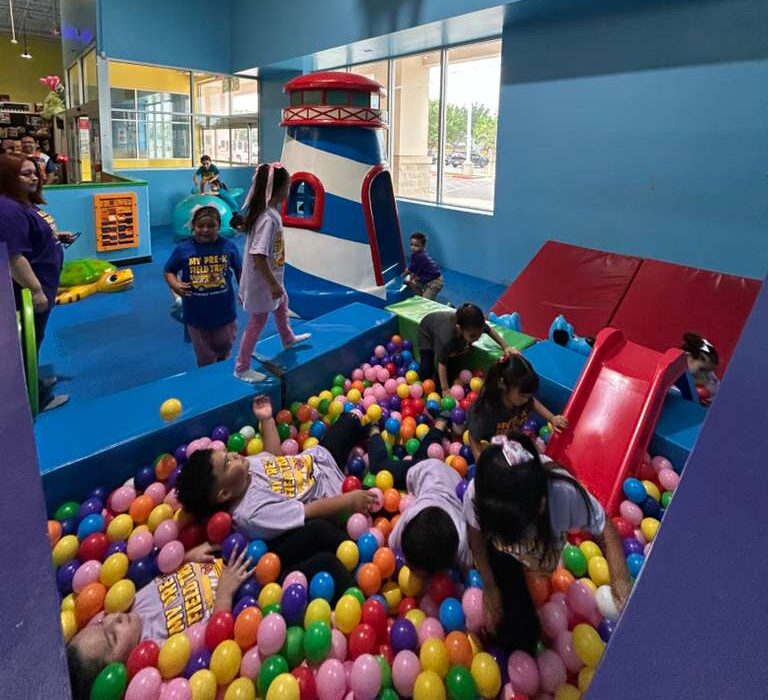
For families searching for party places near me or kids party places near me, Kids Wonderland McAllen indoor playground offers an exceptional venue that combines fun, safety, and social-emotional learning opportunities. Located in McAllen, TX, this party place near me is ideal for hosting birthday party places McAllen TX and other celebrations. The facility provides a vibrant and engaging environment where children can enjoy imaginative play, role-playing, and interactive games that support SEL development.
Kids Wonderland McAllen is recognized among the top party places McAllen and kids party places McAllen TX, offering customizable party packages that cater to various age groups and interests. Parents looking for kids birthday party places near me or birthday party places near me will find this venue convenient and well-equipped, with dedicated staff to ensure a memorable and stress-free experience.
In addition to Kids Wonderland, families in the region can explore other notable party places for kids such as Joy Party Place Alamo TX, Dreamland Mission TX, and Play Avenue Edinburg. These venues also provide excellent options for kids birthday party places near me and birthday places near me, each offering unique features to enhance children’s celebrations.
For those seeking larger event spaces, the event center McAllen TX offers versatile facilities suitable for bigger gatherings and community events, complementing the more intimate and playful atmosphere of indoor playgrounds like Kids Wonderland.
Conclusion
Integrating social-emotional learning (SEL) into family life offers numerous benefits, including improved emotional intelligence, stronger relationships, and enhanced resilience in children. By adopting effective strategies such as encouraging emotional awareness and fostering open communication, families can create a nurturing environment that supports emotional growth. Embrace these practices to empower your children with essential skills for lifelong success. Discover more resources and activities to enhance your family’s SEL journey today, and consider venues like Kids Wonderland McAllen and other top party places near me to celebrate your child’s milestones in a fun and supportive setting.