
Few words hurt a hardworking parent more than hearing: “You never spend time with me.” If you’re a working parent, those words can feel unfair. After all, your day may already include waking up early, preparing breakfast, getting everyone ready for school, working a full shift, picking children up, driving them to sports or activities, helping with homework, cooking dinner, cleaning the house, preparing for the next day, and somehow trying to fit in family time before bedtime. You aren’t avoiding your child. You’re working hard to build a stable life for them. Yet your child may still feel like they don’t have enough of you. How can both things be true? The answer lies in understanding how children experience love—and how parents often express it.
My Child Says, “You Never Spend Time With Me.” What Working Parents Need to Know
Parents Show Love Through Sacrifice. Children Feel Love Through Connection.
Adults often measure love by what they provide.
Children measure love by what they experience.
A parent might think:
- I worked overtime to pay for soccer.
- I packed lunch every morning.
- I helped with homework every night.
- I drove across town for dance practice.
- I cooked dinner instead of ordering takeout.
Meanwhile, the child simply remembers:
“I wish Mom had played with me today.”
Neither perspective is wrong.
They’re simply different.
Understanding this difference changes the conversation from frustration to empathy.
Why Children Don’t Recognize Everything Parents Do
Children aren’t ungrateful because they are bad children.
Their brains are still learning perspective-taking.
They don’t naturally understand:
- Monthly bills
- Mortgage or rent
- Groceries
- Medical expenses
- Saving for emergencies
- Long work hours
- Mental exhaustion
Those responsibilities are invisible to them.
Children live in the present.
If they miss you today, that’s what feels most important.
As they mature, many eventually realize just how much their parents quietly sacrificed.
The Difference Between Attention and Availability
One of the biggest misconceptions is believing that children simply need more hours.
Most children actually need more intentional moments.
A fully present twenty-minute conversation often leaves a stronger impression than two distracted hours spent in the same room.
Children notice when:
- Phones stay on the table.
- Parents answer emails during conversations.
- Television replaces interaction.
- Adults are physically present but emotionally elsewhere.
Sometimes what children are really saying is:
“I miss your attention.”
Teaching Gratitude Without Making Children Feel Guilty
Many parents respond by saying:
“Do you know how hard I work for you?”
Although understandable, this usually creates guilt rather than gratitude.
Instead, invite children into your world.
You might say:
“Dad works so we can have our home.”
“Mom works so we can go to soccer practice and celebrate birthdays.”
“Our family makes choices so we can enjoy special experiences together.”
Children learn appreciation best through understanding—not through feeling responsible for adult stress.
Let Children See the Work Behind Everyday Life
One of the most effective ways to teach gratitude is participation.
Children appreciate effort when they experience effort.
Depending on their age, they can help:
- Cook dinner.
- Fold towels.
- Pack backpacks.
- Feed pets.
- Set the table.
- Water plants.
- Organize toys.
- Clean up after activities.
These aren’t chores meant as punishment.
They’re lessons that teach how families work together.
Quality Time Doesn’t Have to Be Expensive
Parents sometimes feel pressure to plan elaborate vacations or buy expensive gifts.
But children often remember simple traditions much longer.
Examples include:
- Saturday morning pancakes
- Evening walks
- Reading together before bed
- Family board games
- Bike rides
- Cooking one meal together every week
- Visiting local parks
- Sharing one “high” and one “low” from the day at dinner
Consistency matters more than cost.
Signs Your Child Is Asking for Connection—Not More Things
Many children don’t actually want another toy.
They may be asking for:
- Undivided attention.
- More conversations.
- A predictable family tradition.
- More laughter together.
- Physical affection.
- Shared experiences.
When children feel emotionally connected, they often become more cooperative, confident, and appreciative over time.
Building Gratitude Through Experiences Instead of Possessions
Research consistently shows that shared experiences strengthen family relationships more than accumulating possessions.
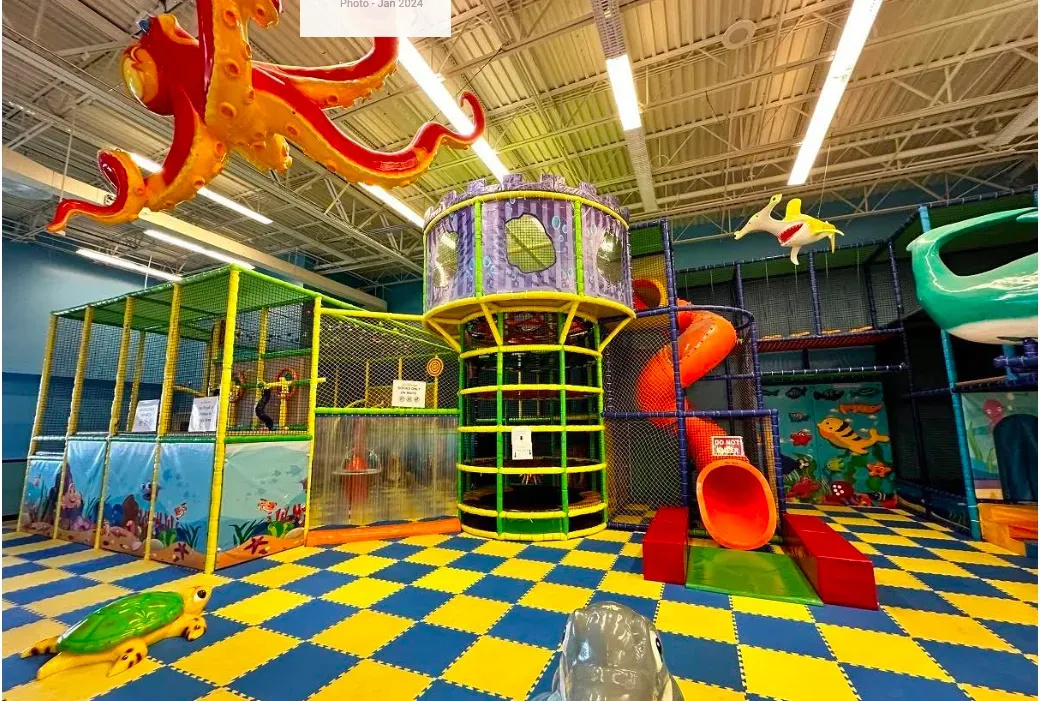
Whether it’s visiting a museum, attending a community event, exploring a nature trail, or spending an afternoon at an indoor family entertainment center like Kids Wonderland McAllen, experiences create opportunities to laugh, solve problems together, and make memories that children often remember far longer than another toy.
For families in McAllen and throughout the Rio Grande Valley, choosing activities that encourage conversation and active play can help strengthen the parent-child relationship while giving everyone a break from busy weekly schedules.
The destination matters less than the time intentionally spent together.
One Day They Will Understand
Many adults remember the exact moment they realized everything their parents had quietly done for them.
It often doesn’t happen during childhood.
It happens after:
- Paying their own bills.
- Working long hours.
- Raising children.
- Managing a household.
That’s when the invisible sacrifices suddenly become visible.
If your child doesn’t fully appreciate your efforts today, it doesn’t mean those lessons are being lost.
They may simply take time to grow.
What Every Working Parent Should Remember
Your child doesn’t need a perfect parent.
They don’t need unlimited free time.
They don’t need expensive gifts every weekend.
They need to know that, despite life’s responsibilities, they are loved, valued, and important.
Likewise, children benefit from gradually learning that the life they enjoy doesn’t happen by accident.
Every packed lunch, every school pickup, every sports practice, every bedtime story, and every family outing represents someone’s dedication.
Strong families grow when parents continue showing love through sacrifice—and children slowly learn to recognize that love through understanding.
Conclusion
Balancing work and family is one of the greatest challenges many parents face. Feeling unappreciated can be discouraging, but it doesn’t mean your child loves you any less. Often, they’re expressing a need for connection rather than criticizing your efforts. By combining honest conversations, shared responsibilities, and meaningful time together, parents can help children develop empathy and gratitude over the years.
If you’re looking for ways to reconnect as a family in McAllen, remember that it doesn’t have to be complicated. Whether it’s playing a game at home, exploring your neighborhood, or enjoying an afternoon of active fun at Kids Wonderland McAllen, the most meaningful moments are usually the ones spent together.
Frequently Asked Questions
Why does my child say I never spend time with them when I do everything for them?
Children naturally focus on emotional connection rather than the responsibilities parents carry. They often express a desire for your attention, even when they already receive excellent care.
How do I teach my child to appreciate hard work?
Model gratitude, explain work and money in age-appropriate ways, involve them in household responsibilities, and let them see the effort behind everyday family life.
Should I tell my child how much I sacrifice?
Yes—but without creating guilt. Explain that work helps provide opportunities, security, and experiences for the family while reassuring them that spending time together is also a priority.
Is quality time more important than quantity?
Both matter, but focused, distraction-free time often has a greater emotional impact than simply being in the same room for longer periods.
What are some family activities in McAllen that encourage connection?
Simple activities such as visiting local parks, reading together, cooking as a family, playing board games, or spending active time together at places like Kids Wonderland McAllen can help strengthen family relationships while creating lasting memories.
Key Takeaways
- Children and parents often express and perceive love differently.
- Gratitude is learned through modeling, participation, and life experience.
- Short periods of intentional connection can have a lasting impact.
- Shared experiences often build stronger family bonds than material gifts.
- Working parents should not mistake a child’s request for connection as a sign of failure.
- Families in McAllen can strengthen relationships through consistent traditions and active play, including family outings to Kids Wonderland McAllen.
Explore more family fun at Kids Wonderland McAllen.