
In the digital age, educational games have emerged as a powerful tool for enhancing children's learning experiences. These interactive platforms not only entertain but also foster essential skills in young learners. This article explores the best educational games available online, categorizing them by age group and highlighting their developmental benefits. Parents often seek effective ways to engage their children in learning, and educational games provide a solution that combines fun with education. We will delve into the top games for toddlers, preschoolers, and older children, examine how these games support child development, and discuss safety features parents should consider. Additionally, we will provide insights on how to choose the right educational game for your child. Key Takeaways Educational games enhance children's learning by combining fun with skill development across different age groups. Top games for toddlers focus on vocabulary, phonics, counting, and basic problem-solving skills. Games for children aged 8 to 12 incorporate critical thinking, math, reading, and collaborative learning. Minecraft: Education Edition significantly improves students' conceptual understanding and collaboration skills. Educational games support cognitive skills like problem-solving, memory, and social interaction. Interactive games provide immediate feedback, increasing motivation, focus, and effective learning outcomes. Parental controls and privacy settings are essential for ensuring safe online educational game experiences. Parents should choose games without in-app purchases and with age-appropriate content to protect young children. Evaluating educational games by learning goals, age appropriateness, and user reviews helps select the best options.
Best Educational Games Online: Which One Is Best?
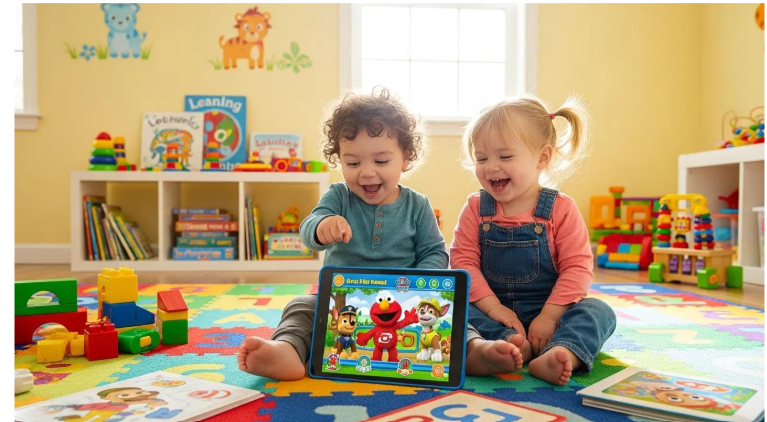
What Are the Top Educational Games for Different Age Groups?
Educational games vary significantly based on the age of the child, catering to different developmental stages and learning needs. For toddlers and preschoolers, games that focus on basic skills such as counting, letter recognition, and problem-solving are essential. As children grow older, the complexity of games increases, introducing subjects like math, reading, and science in engaging formats. Here are some of the best educational games categorized by age group:
Which Educational Games Are Best for Toddlers and Preschoolers?
For toddlers and preschoolers, interactive games that promote foundational skills are crucial. Some of the top games include:
- Endless Alphabet: This game helps children learn vocabulary and phonics through fun animations and engaging puzzles.
- Starfall: Aimed at early readers, Starfall offers a variety of activities that teach letters, sounds, and basic reading skills.
- PBS Kids Games: Featuring characters from popular children’s shows, this platform provides a range of games that cover various subjects, including math and science.
These games not only entertain but also enhance cognitive skills, setting a strong foundation for future learning.
What Learning Games Suit Children Aged 8 to 12?
As children enter the 8 to 12 age range, educational games can become more sophisticated, incorporating critical thinking and problem-solving elements. Some recommended games for this age group include:
- Prodigy Math: This game turns math into an adventure, allowing children to practice math skills while exploring a fantasy world.
- Kahoot!: A game-based learning platform that allows teachers and parents to create quizzes that make learning fun and competitive.
- Minecraft: Education Edition: This version of the popular game encourages creativity and collaboration while teaching subjects like math, science, and history.
These games engage older children by making learning interactive and enjoyable, helping them develop essential skills in a fun environment.
Research further supports the effectiveness of specific educational games like Minecraft: Education Edition in enhancing both understanding and collaborative skills among students.
Minecraft Education Edition: Boosting Understanding & Collaboration
This study examines the effect of Minecraft: Education Edition on students’ conceptual understanding and collaboration in Social and Natural Sciences (IPAS) learning. A quasi-experimental design with a pretest-posttest control group was used, involving 48 sixth-grade students from SDN Srambah. The sample was divided into an experimental group (Class VI A, 24 students) using Minecraft: Education Edition, and a control group (Class VI B, 24 students) receiving conventional instruction, selected through purposive sampling. Instruments included a conceptual understanding test and a collaboration questionnaire. Descriptive statistics showed a greater increase in the experimental group’s scores. Data met assumptions for parametric testing based on normality and homogeneity tests. MANOVA results indicated a significant effect of learning media on both outcomes (p < 0.001).
The Effect of Using Minecraft: Education Edition on Students’ Conceptual Understanding and Collaboration, 2025
How Do Educational Games Support Child Development?
Educational games play a significant role in supporting various aspects of child development. They are designed to enhance cognitive, social, and emotional skills, making them valuable tools for learning.
What Cognitive and Social Skills Do Educational Games Enhance?
Educational games enhance several cognitive skills, including:
- Problem-Solving: Many games require players to think critically and devise strategies to overcome challenges.
- Memory: Games often involve remembering rules, sequences, or patterns, which can improve memory retention.
- Social Skills: Multiplayer games encourage collaboration and communication, helping children develop teamwork and social interaction skills.
These cognitive and social benefits are crucial for children’s overall development, preparing them for future academic and life challenges.
How Do Interactive Games Promote Effective Learning?
Interactive games promote effective learning by engaging children in a way that traditional methods may not. They provide immediate feedback, allowing players to learn from their mistakes and adjust their strategies accordingly. This interactive approach fosters a sense of achievement and motivation, encouraging children to continue learning. Additionally, the immersive nature of these games can enhance focus and retention, making learning more effective.
Studies consistently show that interactive educational games significantly enhance learning achievements, motivation, and problem-solving skills in students.
Educational Games Boost Learning, Motivation & Problem-Solving
In this study, a peer assessment-based game development approach is proposed for improving students’ learning achievements, motivations and problem-solving skills. An experiment has been conducted to evaluate the effectiveness of the proposed approach in a science course at an elementary school. From the empirical results, it was found that the proposed approach could effectively promote students’ learning achievement, learning motivation, problem-solving skills, as well as their perceptions of the use of educational computer games.
Improving learning achievements, motivations and problem-solving skills through a peer assessment-based game development approach, GJ Hwang, 2014
Which Safety Features Should Parents Look for in Online Educational Games?
When selecting educational games for children, safety is a paramount concern for parents. Understanding the safety features of these games can help ensure a secure online experience.
How Do Parental Controls and Privacy Settings Protect Children?
Parental controls are essential for managing children’s online activities. Many educational games offer features that allow parents to:
- Limit Screen Time: Set daily or weekly limits on game usage to promote a healthy balance between play and other activities.
- Monitor Activity: Track what games children are playing and how they are interacting with them.
- Control Content: Filter out inappropriate content, ensuring that children only access age-appropriate games.
These features help create a safer online environment, allowing children to explore educational content without unnecessary risks.
Research highlights the importance of parental controls in navigating the benefits and concerns associated with children’s video game use, often influencing family dynamics.
Parental Control & Video Games: Balancing Benefits & Concerns
Parents face challenges in their children’s education, including the use of video games. While offering benefits, concerns about mental and physical health and academic performance lead some parents to set usage rules, often causing conflicts. This study evaluates parental opinions, the extent of parental control, and its impact on family relationships.
Parental Control over Child Video Game Use: A Systematic Review of Parental Opinions and their Impact on Family Relationships, M Fadli, 2025
Are Online Educational Games Safe for Toddlers and Young Children?
Online educational games can be safe for toddlers and young children if they are designed with safety in mind. Parents should look for games that:
- Have No In-Game Purchases: This prevents unexpected charges and ensures that children can play without financial implications.
- Do Not Collect Personal Information: Games that prioritize privacy help protect children’s data and maintain their safety online.
- Include Age-Appropriate Content: Ensuring that the game content is suitable for the child’s age helps avoid exposure to inappropriate material.
By choosing games with these safety features, parents can provide a secure and enriching learning experience for their children.
What Are the Best Educational Game Reviews and How to Choose the Right One?
Choosing the right educational game can be overwhelming given the vast number of options available. Understanding how to evaluate these games is essential for making informed decisions.
Which Educational Games Have the Highest Ratings and Why?
Some of the highest-rated educational games include:
- Osmo: This game combines physical play with digital interaction, earning praise for its innovative approach to learning.
- Duolingo: Known for language learning, Duolingo’s engaging format and gamified lessons have made it a favorite among users.
- BrainPOP: This platform offers animated educational videos and quizzes, receiving high ratings for its engaging content and educational value.
These games are highly rated due to their effectiveness in teaching and engaging children, making them excellent choices for parents.
How to Compare Educational Games Based on Learning Goals and Age Appropriateness?
When comparing educational games, consider the following criteria:
- Learning Goals: Identify what skills or knowledge the game aims to teach and ensure they align with your child’s needs.
- Age Appropriateness: Check the recommended age range to ensure the content is suitable for your child’s developmental stage.
- User Reviews: Look for feedback from other parents and educators to gauge the game’s effectiveness and engagement level.
By evaluating games based on these factors, parents can select the most suitable educational games for their children, ensuring a beneficial learning experience.
| Game Title | Age Group | Learning Focus |
|---|---|---|
| Endless Alphabet | Toddlers | Vocabulary and Phonics |
| Prodigy Math | 8-12 | Math Skills |
| Starfall | Preschool | Reading Skills |
| Kahoot! | 8-12 | General Knowledge |
| PBS Kids Games | Toddlers | Various Subjects |
This table summarizes some of the best educational games available, highlighting their target age groups and learning focuses, making it easier for parents to choose the right game for their children.
Educational games are a valuable resource for enhancing children’s learning experiences. By understanding the various options available and considering safety features, parents can make informed decisions that support their children’s development. With the right educational games, learning can be both fun and effective.
If you’re looking for a fun and educational experience outside of the digital world, consider visiting Kids Wonderland. It’s a great place for kids to explore and play. Kids Wonderland offers a joyful and engaging environment where children can have fun while learning through play. The family-friendly atmosphere ensures that parents and children can enjoy quality time together in a safe and welcoming space. With a variety of interactive activities and creative play areas, Kids Wonderland provides an ideal setting for children to develop social skills, creativity, and confidence while having a memorable and delightful experience.
Conclusion
Educational games are essential tools that enhance children’s learning experiences while promoting cognitive, social, and emotional development. By selecting games that align with your child’s age and learning goals, you can ensure a safe and enriching environment for their growth. Explore our curated list of top-rated educational games to find the perfect fit for your child. Start your journey towards making learning fun and effective today!