
Storytelling is a powerful tool that fosters creativity and development in children. It not only enhances their imagination but also plays a crucial role in their emotional and social growth. In this article, we will explore how parents can create epic stories together with their kids, providing practical storytelling activities and creative writing tips. Many parents seek effective ways to engage their children in storytelling, as it can significantly improve their literacy skills and emotional intelligence. This guide will cover the importance of storytelling, techniques for effective collaboration, fun activities, and resources for inspiration. By the end, you will have a wealth of ideas to help your child thrive through the art of storytelling. Key Takeaways Storytelling enhances children's creativity, emotional intelligence, and social skills. Engaging in storytelling improves children's literacy and vocabulary development. Shared storytelling fosters empathy and emotional regulation in children. Parents can create stories with children using safe environments and sensory play. Age-appropriate storytelling techniques maximize engagement and understanding. Interactive methods like role play and crafts boost creativity in storytelling. Games and prompts like Story Cubes inspire creative writing in children. Digital tools and apps support storytelling and creative expression at home.
Create Epic Stories Together With Kids: Practical Storytelling Activities and Creative Writing Tips
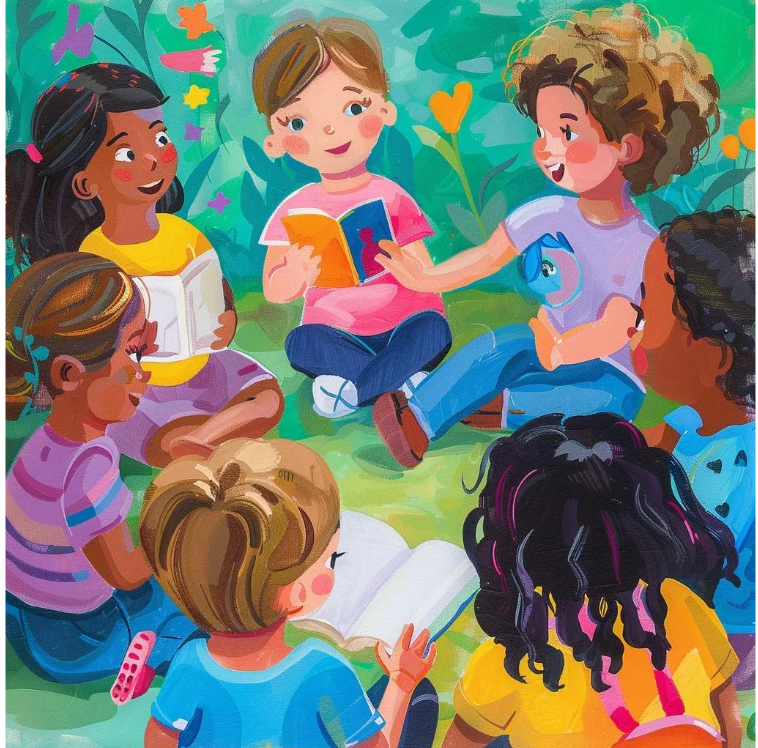
Why Is Storytelling Important for Child Development?
Storytelling is essential for child development as it nurtures cognitive, emotional, and social skills. Engaging in storytelling helps children develop their imagination, which is crucial for creative thinking. It also enhances their literacy skills by exposing them to new vocabulary and narrative structures. Furthermore, storytelling allows children to express their emotions and understand the feelings of others, fostering empathy and social connections. This multifaceted approach to learning through storytelling creates a solid foundation for lifelong skills.
How Does Storytelling Enhance Imagination and Literacy Skills?
Storytelling enhances imagination by encouraging children to visualize characters, settings, and plots. This imaginative play is vital for cognitive development, as it stimulates critical thinking and problem-solving abilities. Additionally, storytelling improves literacy skills by introducing children to narrative forms and expanding their vocabulary. As they listen to and create stories, children learn to structure their thoughts and articulate their ideas more effectively. This combination of imagination and literacy development is crucial for their overall growth.
Indeed, research consistently highlights the profound impact of storytelling on a child’s cognitive abilities.
Storytelling’s Impact on Children’s Cognitive Development
Cognitive ability is one of the essential aspects of early childhood development that must be stimulated through approaches aligned with the children’s developmental stages. This study aims to determine the effect of the storytelling method on the cognitive abilities of children aged 5–6 years.
The effect of storytelling method on children’s cognitive development at the age of 5–6 years, A Agusniatih, 2025
What Are the Emotional and Social Benefits of Shared Storytelling?
Shared storytelling offers significant emotional and social benefits for children. It provides a safe space for them to express their feelings and explore complex emotions through characters and narratives. This process helps children develop emotional regulation skills, as they learn to navigate their emotions in a supportive environment. Moreover, storytelling fosters social skills by encouraging collaboration and communication. When children share stories, they learn to listen, empathize, and engage with others, which strengthens their social bonds.
Beyond cognitive benefits, shared storytelling is also recognized for its significant contributions to children’s emotional and social development.
Parent-Child Storytelling Benefits: Language, Communication & Emotional Growth
Storytelling is a common parent-child activity that provides many educational benefits such as improving children’s language fluency, communication skills, cultural and emotional
Storybuddy: A human-ai collaborative chatbot for parent-child interactive storytelling with flexible parental involvement, Z Zhang, 2022
How Can Parents Create Stories With Children Effectively?
Creating stories with children can be a rewarding experience that enhances their creativity and communication skills. Here are some effective techniques for parents to engage in storytelling with their children:
- Create a Safe Play Environment: Establish a comfortable space where children feel free to express their ideas without judgment. This encourages open communication and creativity.
- Incorporate Sensory Play: Use props, sounds, and visuals to stimulate the senses and make storytelling more engaging. This can help children connect with the narrative on a deeper level.
- Use Engaging Prompts: Start with a story prompt or a question to spark their imagination. This can guide the storytelling process and help children develop their narratives.
What Are Age-Appropriate Storytelling Techniques for Different Child Age Groups?
Different age groups require tailored storytelling techniques to maximize engagement and understanding. Here are some age-appropriate methods:
- Ages 0-3: Use simple stories with repetitive phrases and colorful illustrations. Engage them with interactive elements like sound effects or gestures.
- Ages 4-7: Introduce more complex narratives with relatable characters. Encourage them to contribute ideas and ask questions about the story.
- Ages 8-12: Allow for deeper exploration of themes and character development. Encourage them to write their own stories and share them with family and friends.
Which Interactive Storytelling Methods Encourage Engagement and Creativity?
Interactive storytelling methods can significantly enhance children’s engagement and creativity. Here are some effective approaches:
- Role Play: Encourage children to act out stories, taking on different characters. This method helps them understand perspectives and enhances their imaginative play.
- Creative Crafts: Incorporate arts and crafts into storytelling by having children create their own storybooks or character puppets. This hands-on approach makes the experience more memorable.
- Sensory Play: Use materials like clay, fabric, or natural elements to create a tactile storytelling experience. This can help children visualize and connect with the story.
What Are Fun and Interactive Storytelling Activities for Kids?
Engaging children in fun storytelling activities can spark their creativity and enhance their narrative skills. Here are some enjoyable activities to try:
- Role-Playing Games: Create scenarios where children can act out different roles and create their own stories. This encourages collaboration and imaginative thinking.
- Storytelling Sessions: Organize regular storytelling sessions where children can share their stories with family or friends. This builds confidence and communication skills.
- Interactive Games: Use games that involve storytelling elements, such as “Once Upon a Time” or “Story Cubes,” to inspire creativity and narrative development.
Which Games and Prompts Inspire Creative Writing and Story Creation?
Several games and prompts can inspire children to write creatively and develop their storytelling skills. Here are some examples:
- Story Cubes: Use dice with images to prompt spontaneous storytelling. Children can roll the dice and create a story based on the images they see.
- Character Creation: Have children invent their own characters with unique traits and backgrounds. This can lead to exciting storylines and adventures.
- Story Starters: Provide intriguing opening lines or scenarios to kickstart their writing process. This can help overcome writer’s block and encourage creativity.
How Can Parents Use Tools and Resources to Support Storytelling?
Parents can utilize various tools and resources to support their children’s storytelling journey. Here are some effective options:
- Educational Apps: Explore apps designed for storytelling and creative writing, which offer interactive features and prompts to inspire children.
- Story Prompts: Keep a list of story prompts handy to encourage spontaneous writing sessions. This can help children practice their narrative skills regularly.
- Creative Writing Resources: Invest in books or online courses that focus on storytelling techniques and creative writing for children. These resources can provide valuable guidance and inspiration.
Where Can Parents Find Creative Kids Story Ideas and Resources?
Finding creative story ideas and resources is essential for parents looking to inspire their children. Here are some avenues to explore:
- Online Resources: Websites dedicated to children’s literature often provide story prompts, writing exercises, and tips for parents.
- Books and Literature: Visit local libraries or bookstores to discover a variety of children’s books that can serve as inspiration for storytelling.
- Community Programs: Look for local workshops or storytelling events that encourage children to participate and share their stories with others.
What Are Recommended Story Prompts and Writing Ideas for Children?
Here are some recommended story prompts and writing ideas to spark creativity in children:
- “What if animals could talk?”: Encourage children to write a story from the perspective of their favorite animal.
- “A day in the life of a superhero”: Have them create a story about a superhero with unique powers and challenges.
- “The secret door”: Prompt children to write about discovering a hidden door that leads to an exciting adventure.
Which Educational Resources and Apps Support Storytelling at Home?
Several educational resources and apps can enhance storytelling at home. Here are some noteworthy options:
- Storybird: An online platform that allows children to create their own illustrated stories using a variety of artwork.
- Toontastic: An app that enables kids to create animated stories by drawing characters and recording their voices.
- Scholastic Story Starter: A tool that provides prompts and ideas to help children develop their stories in a fun and engaging way.
In today’s digital age, leveraging technology can further enrich the storytelling experience for children, offering new avenues for creative expression.
Digital Storytelling for Engaging Kids & Creative Learning
Digital storytelling blends the ancient art of storytelling with a range of contemporary tools to weave stories together with the author’s narrative voice, including digital images, graphics, music and sound. Digital storytelling, as both a teaching method and a learning resource, has been applied in many innovative ways at all levels of education.
Storytelling in early childhood education: Time to go digital, MDH Rahiem, 2021
| Storytelling Technique | Age Group | Description |
|---|---|---|
| Simple Stories | 0-3 | Use repetitive phrases and colorful illustrations to engage toddlers. |
| Complex Narratives | 4-7 | Introduce relatable characters and encourage questions about the story. |
| Thematic Exploration | 8-12 | Allow deeper exploration of themes and character development through writing. |
This table illustrates how storytelling techniques can be adapted to suit different age groups, ensuring that children remain engaged and inspired throughout their storytelling journey.
By incorporating these techniques and resources, parents can create a rich storytelling environment that nurtures their children’s creativity and development. Storytelling is not just an activity; it is a vital part of growing up that shapes children’s understanding of the world around them.
For more resources on engaging activities for children, visit Kids Wonderland McAllen, where you can find a variety of programs designed to foster creativity and learning.
Conclusion
Engaging in storytelling with children not only enhances their creativity and literacy skills but also fosters emotional intelligence and social connections. By utilizing various techniques and resources, parents can create a nurturing environment that supports their child’s development through imaginative play. Explore our collection of storytelling activities and resources to inspire your child’s narrative journey. Start creating epic stories together today!
Conclusion
Engaging in storytelling with children not only enhances their creativity and literacy skills but also fosters emotional intelligence and social connections. By utilizing various techniques and resources, parents can create a nurturing environment that supports their child’s development through imaginative play. Explore our collection of storytelling activities and resources to inspire your child’s narrative journey. Start creating epic stories together today!